學習目標(Learning Outcomes)#
- 比較基本面(fundamental)與量化(quantitative)兩種主動管理方法
- 分析自下而上(bottom-up)、自上而下(top-down)、因子型、行動派四類主動策略
- 描述基於統計套利(statistical arbitrage)與市場微結構的策略
- 說明基本面與量化主動策略的建立流程
- 討論股票投資風格的分類
兩大主動方法#
基本面 vs. 量化#
| 構面 | 基本面(discretionary) | 量化(systematic) |
|---|---|---|
| 決策過程 | 主觀 | 客觀 |
| 預測焦點 | 個股報酬 | 因子報酬 |
| 使用資訊 | 研究 | 資料 |
| 分析特性 | 深度 | 廣度 |
| 時間導向 | 前瞻 | 回顧 |
| 風險管理 | 偏重判斷 | 偏重最佳化技術 |
兩者都試圖擊敗被動基準,差異主要在「決策依靠人的判斷或規則化模型」。
主動策略的四大類型#
Bottom-up#
從個別公司分析出發,評估內在價值並判斷被低估或高估。
基本面經理人通常聚焦:
- 商業模式與品牌
- 競爭優勢
- 管理階層與公司治理
可進一步分為:
- 價值型(value-based)
- 成長型(growth-based)
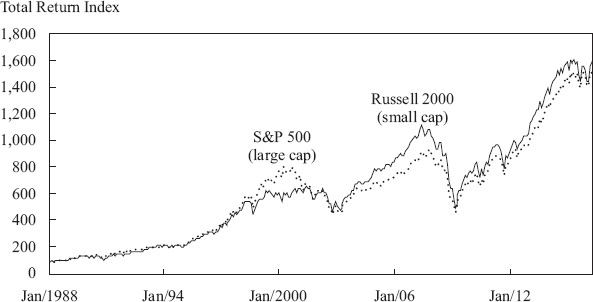
Exhibit 5: Large-Cap vs. Small-Cap Equities
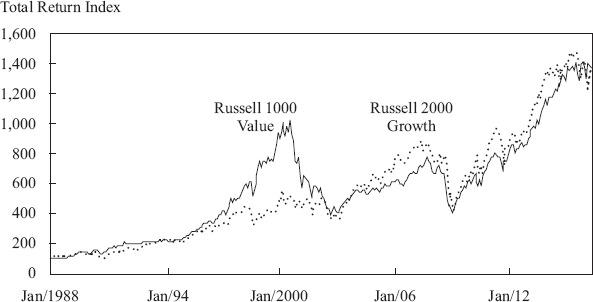
Exhibit 6: Value vs. Growth Equities
Top-down#
從總體經濟、人口趨勢、政府政策出發。
常見應用:
- 國家/地理配置
- 部門與產業輪動
- 風格輪動
- 波動度策略
- 主題投資
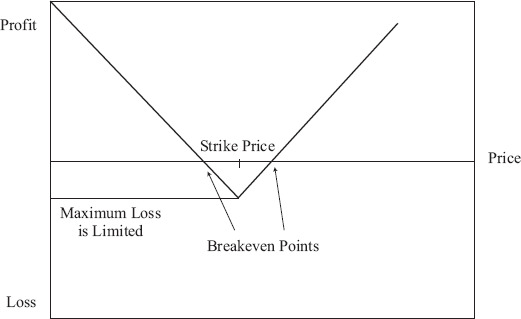
Exhibit 4: Payoff Pattern of a Classic Long Straddle Strategy
Factor-based#
量化策略常用因子模型,找出驅動股價的顯著因子,並建構偏向這些因子的組合。
因子來源:
- 基本面特徵:價值、成長、價格動能
- 非常規資料(unconventional data)
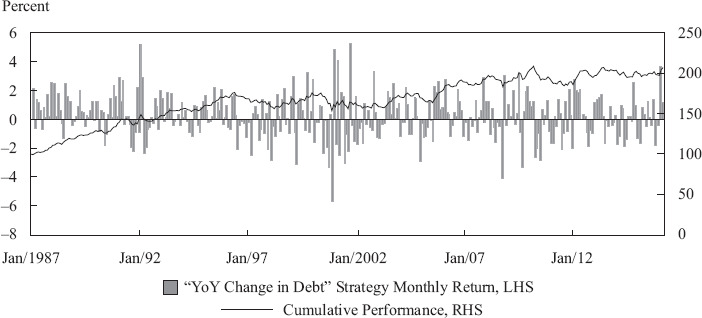
Exhibit 8: Hedged Portfolio Return, Year-over-Year Change in Debt Outstanding
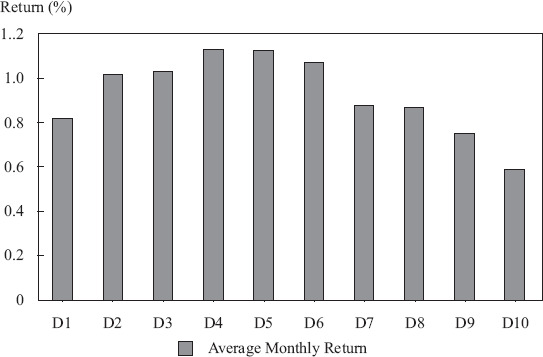
Exhibit 9: Average Decile Portfolio Return Based on Year-over-Year Change in Debt
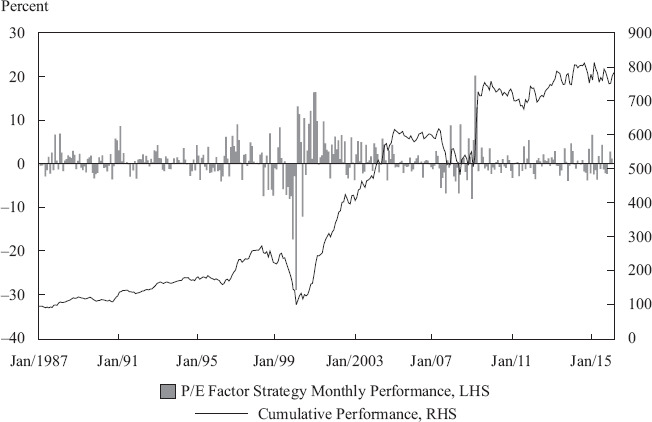
Exhibit 10: Performance of the P/E Factor (Long/Short Decile Portfolio)
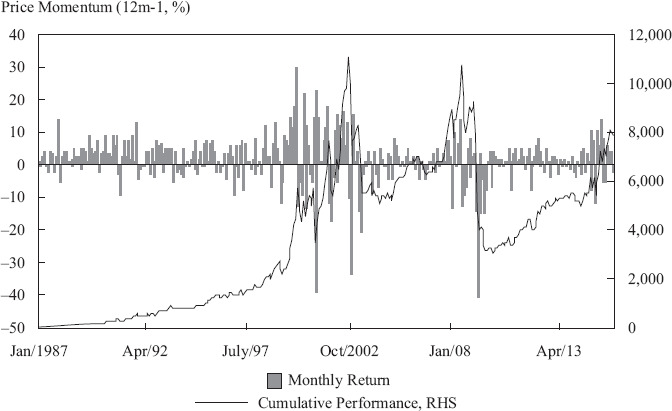
Exhibit 11: Performance of the Price Momentum Factor (Long/Short Decile)
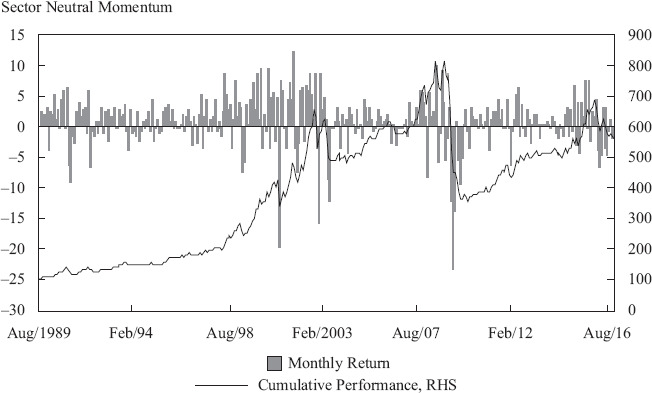
Exhibit 12: Performance of the Sector-Neutralized Price Momentum Factor
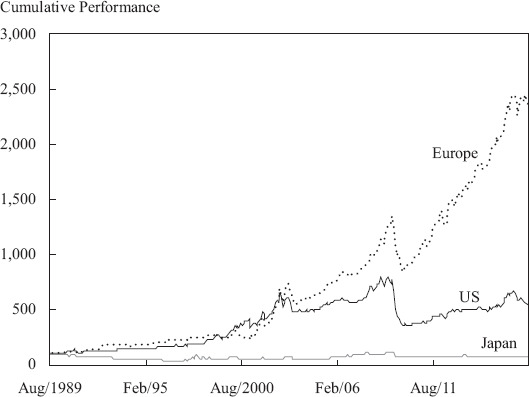
Exhibit 13: Performance of the Sector-Neutralized Price Momentum Factor in US
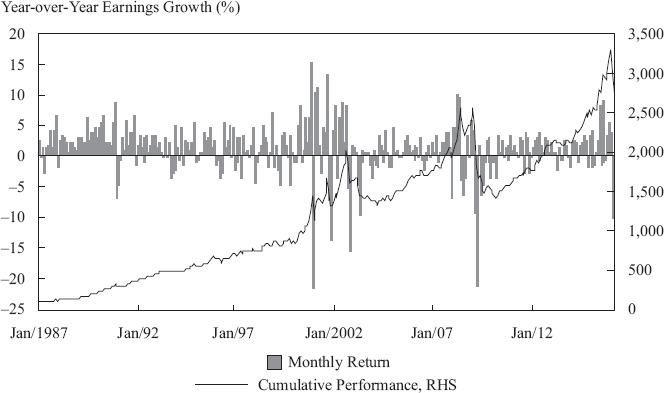
Exhibit 14: Performance of Year-over-Year Earnings Growth Factor
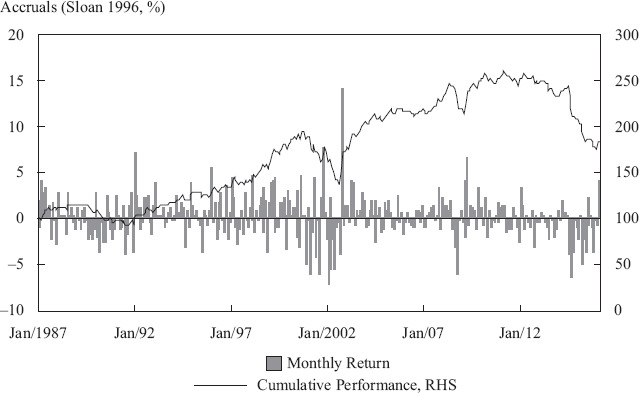
Exhibit 15: Performance of Earnings Quality Factor
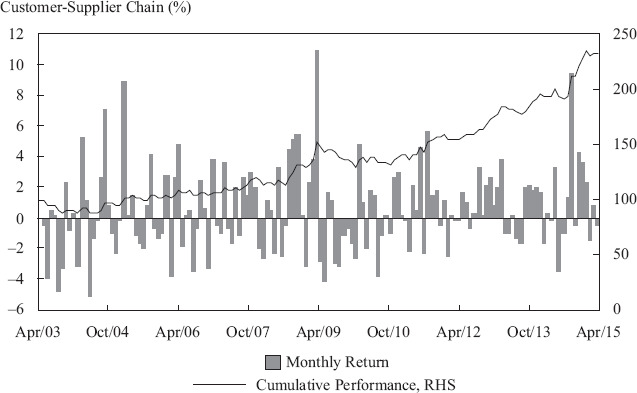
Exhibit 16: Performance of Customer–Supplier-Chain Factor
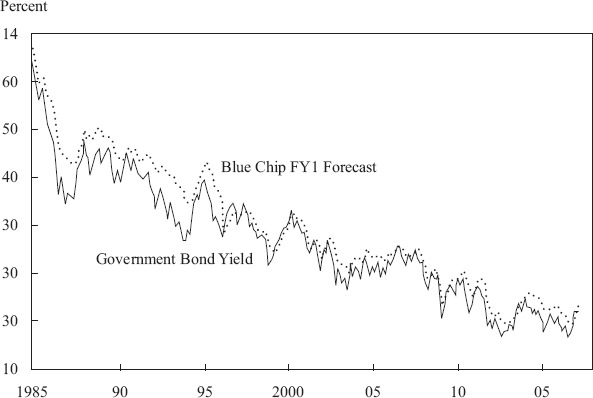
Exhibit 17: Current and Expected Bond Yield, US
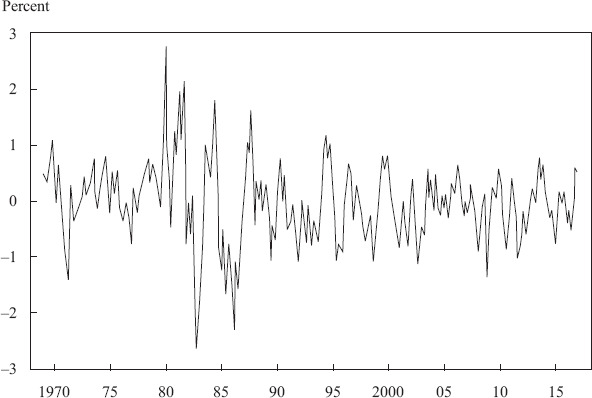
Exhibit 18: Normalized 10-Year Treasury Bond Yield, US
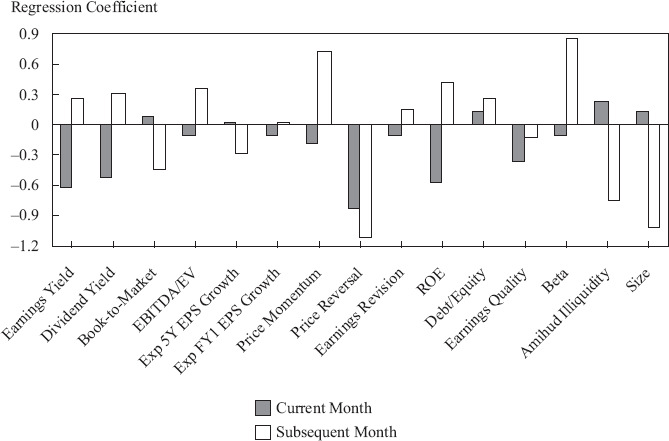
Exhibit 19: Normalized Bond Yield and Style Factor Returns
Activist#
行動派投資人取得有意義的部位,影響管理階層、策略、資本結構,創造股價變化以實現獲利。
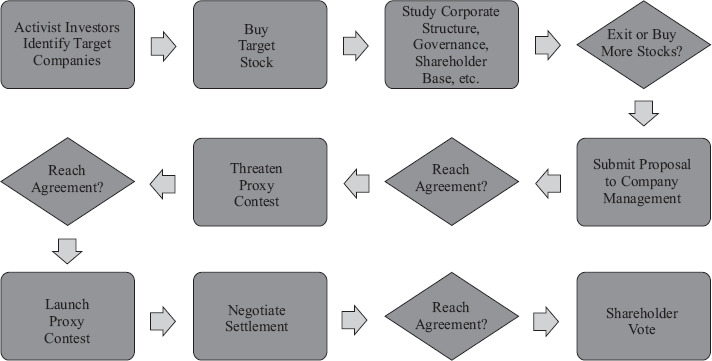
Exhibit 20: A Typical Shareholder Activist Investing Process
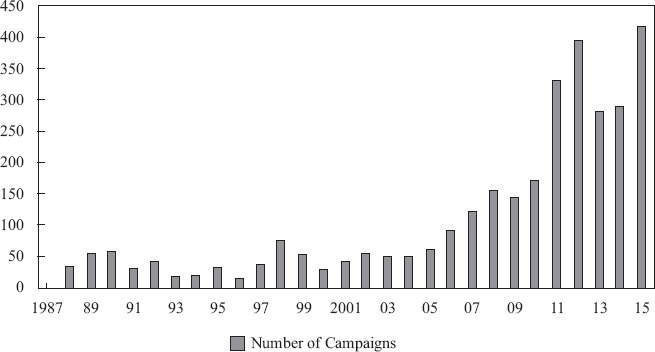
Exhibit 21: Number of Global Activist Events
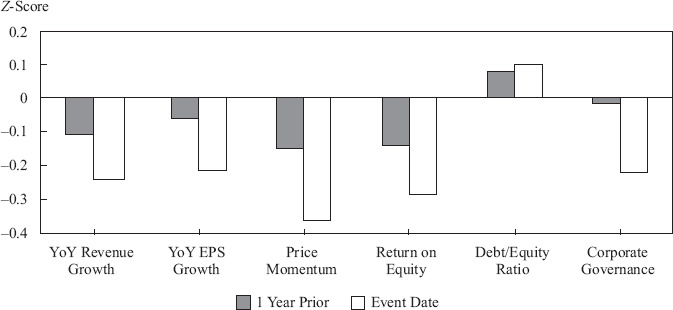
Exhibit 22: Fundamental Characteristics of Target Companies
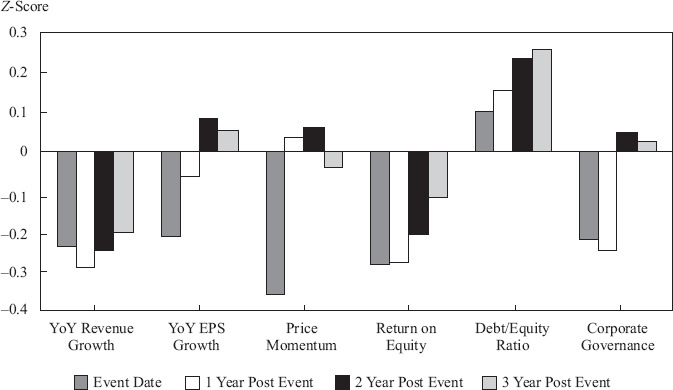
Exhibit 23: Fundamentals of Target Companies Improve
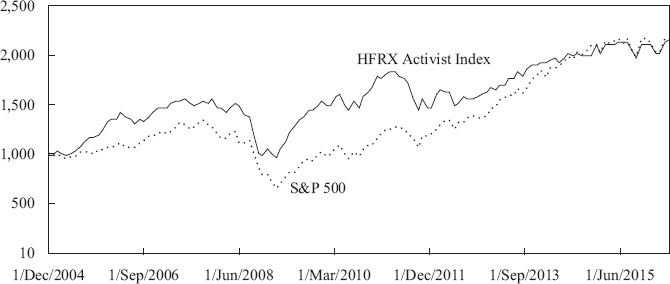
Exhibit 24: Performance of HFRX Activist Index vs. S&P 500
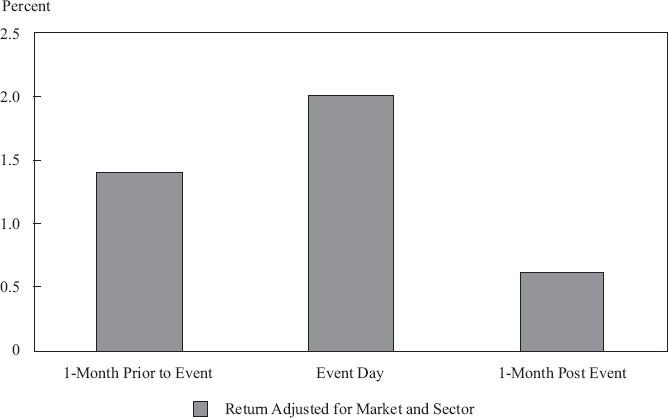
Exhibit 25: Market Reactions to Activist Events
其他特殊策略#
統計套利(Statistical Arbitrage)#
「Stat arb」運用統計與技術分析捕捉定價異常;配對交易(pairs trading) 是常見的簡單應用。
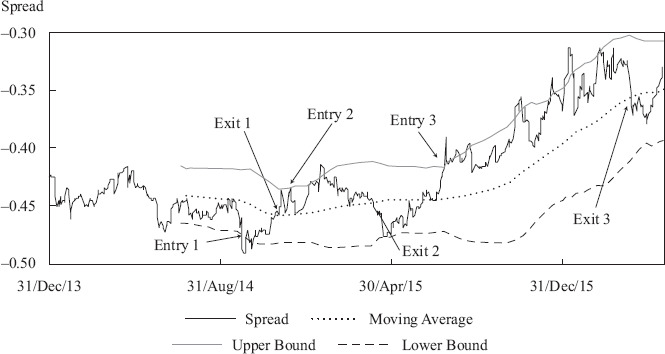
Exhibit 26: Pairs Trade between CNR and CP
事件驅動(Event-driven)#
利用合併、財報、破產、買回、特別股利、分割等公司事件造成的市場效率不彰。
基本面策略的建構流程#
七步驟#
- 定義投資宇宙
- 預先篩選宇宙(prescreen)
- 理解產業與業務
- 預測公司財務表現
- 將預測轉換為目標價
- 建構符合預期風險的組合
- 依買賣紀律再平衡
常見陷阱#
行為偏誤(confirmation bias、illusion of control、availability bias、loss aversion、overconfidence、regret aversion)、價值陷阱(value trap)、成長陷阱(growth trap)。
行為偏誤可分為:
- 認知錯誤(cognitive errors)
- 情緒偏誤(emotional biases)
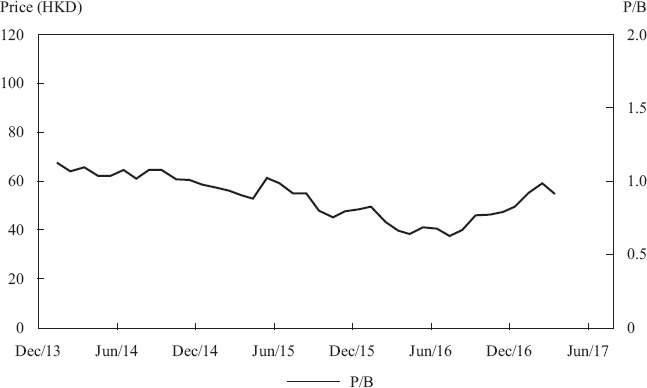
Exhibit 27: Performance of HSBC vs. Its Value Indicators
量化策略的建構流程#
五步驟#
- 定義投資命題(thesis)
- 取得、清理、處理資料
- 回測(backtest)
- 評估策略
- 用風險與交易成本模型構建有效率組合
常見陷阱#
Look-ahead bias、survivorship bias、過擬合、資料探勘、不切實際的周轉假設、低估交易成本、放空可得性。
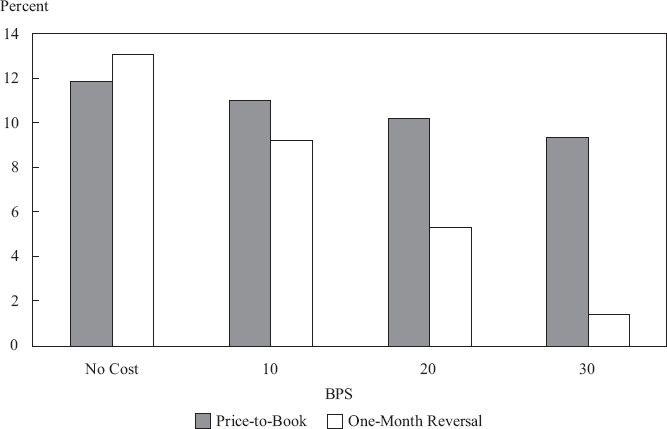
Exhibit 29: Annualized Returns with Different Transaction Cost Assumptions
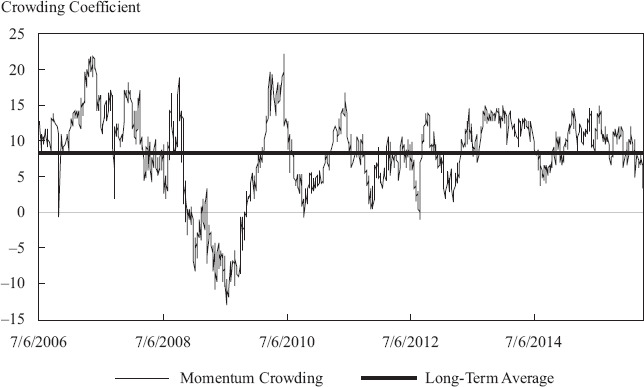
Exhibit 30: Crowding in Momentum Strategies
投資風格分類#
常見風格特徵#
- 價值(value)
- 規模(size)
- 價格動能(price momentum)
- 波動度(volatility)
- 高股息(high dividend)
- 盈餘品質(earnings quality)
- 產業/部門/國家別
兩種分析方法#
Holdings-based:彙總個別持股的風格分數。Returns-based:比較組合報酬與一組風格指數的報酬。