Lesson 17 是全書最後一課,把日常英語裡「教科書不太教、但走出門就會用到」的口語素材一次補齊:實用招呼語、辱罵字、口語連音(gonna / wanna…)和縮寫(LOL / ASAP…)。Luci Gutiérrez 一貫用插畫把這些「生活英語」畫得生動又帶點黑色幽默。
實用表達(Useful Expressions)#
副標:Vocabulary you need to survive.(你活下去所需要的字彙。)
書中用一頁一格的小漫畫,把每個說法配上一個情境插圖,讓你看圖就記住什麼時候該開口。
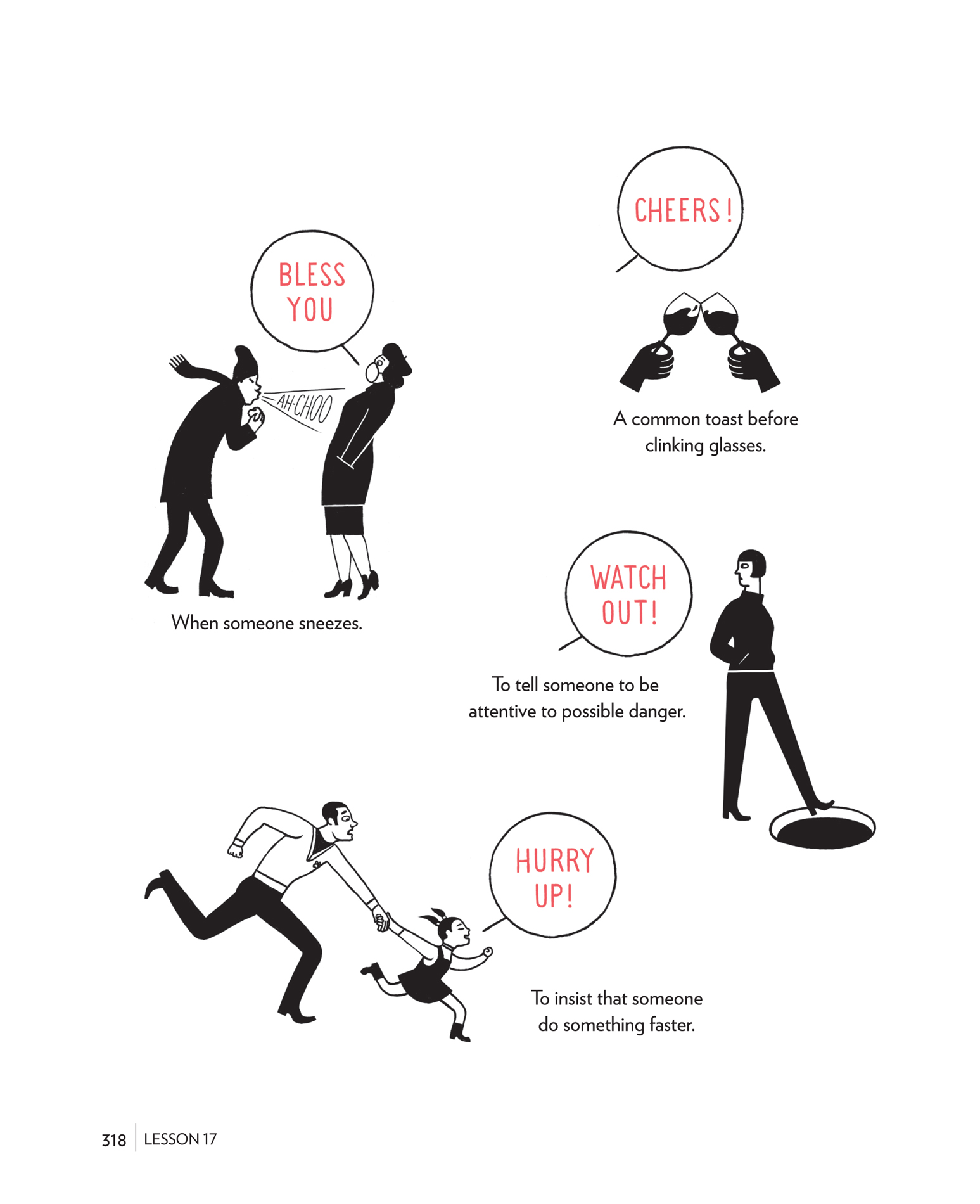
Figure 17.1: Bless you / Cheers / Watch out / Hurry up — 四格情境漫畫,把日常招呼語配上對應畫面
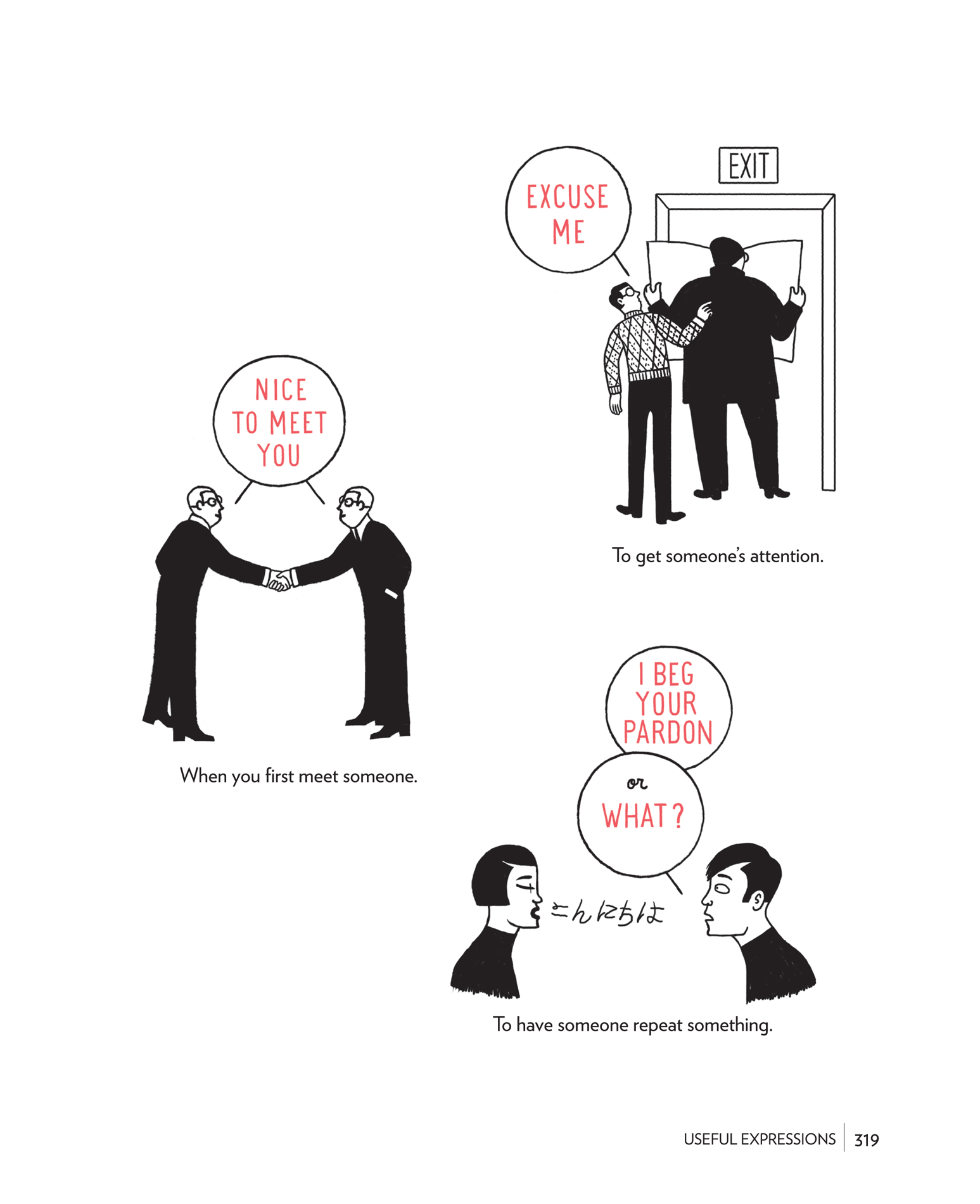
Figure 17.2: Nice to meet you / Excuse me / I beg your pardon — 初次見面、引人注意、請對方再講一次的情境插圖
- Sorry — 道歉、請求原諒(To ask for forgiveness.)
- Bless you — 別人打噴嚏時說(When someone sneezes.)
- Cheers! — 乾杯(A common toast before clinking glasses.;舉杯碰杯前的慣用敬酒語)
- Watch out! — 小心!(To tell someone to be attentive to possible danger.)
- Hurry up! — 快點!(To insist that someone do something faster.)
- Nice to meet you — 很高興認識你(When you first meet someone.)
- Excuse me — 不好意思(To get someone’s attention.;用來吸引別人注意)
- I beg your pardon? / What? — 你說什麼?麻煩再講一次(To have someone repeat something.)
- I like you — 我喜歡你(情境插圖:男子在長椅上對女子告白)
- There you go! / Here you are! / Here you go! — 給你(情境插圖:把東西遞給對方時的口頭語)
- Damn it! / Shit! / Fuck! — 該死!靠!幹!(情境插圖:男子發脾氣時的口頭發洩語)
- Excuse me, could you tell me where the toilet is? — 不好意思,請問廁所在哪?(情境插圖:女子向拿著捲筒衛生紙的服務生問路)
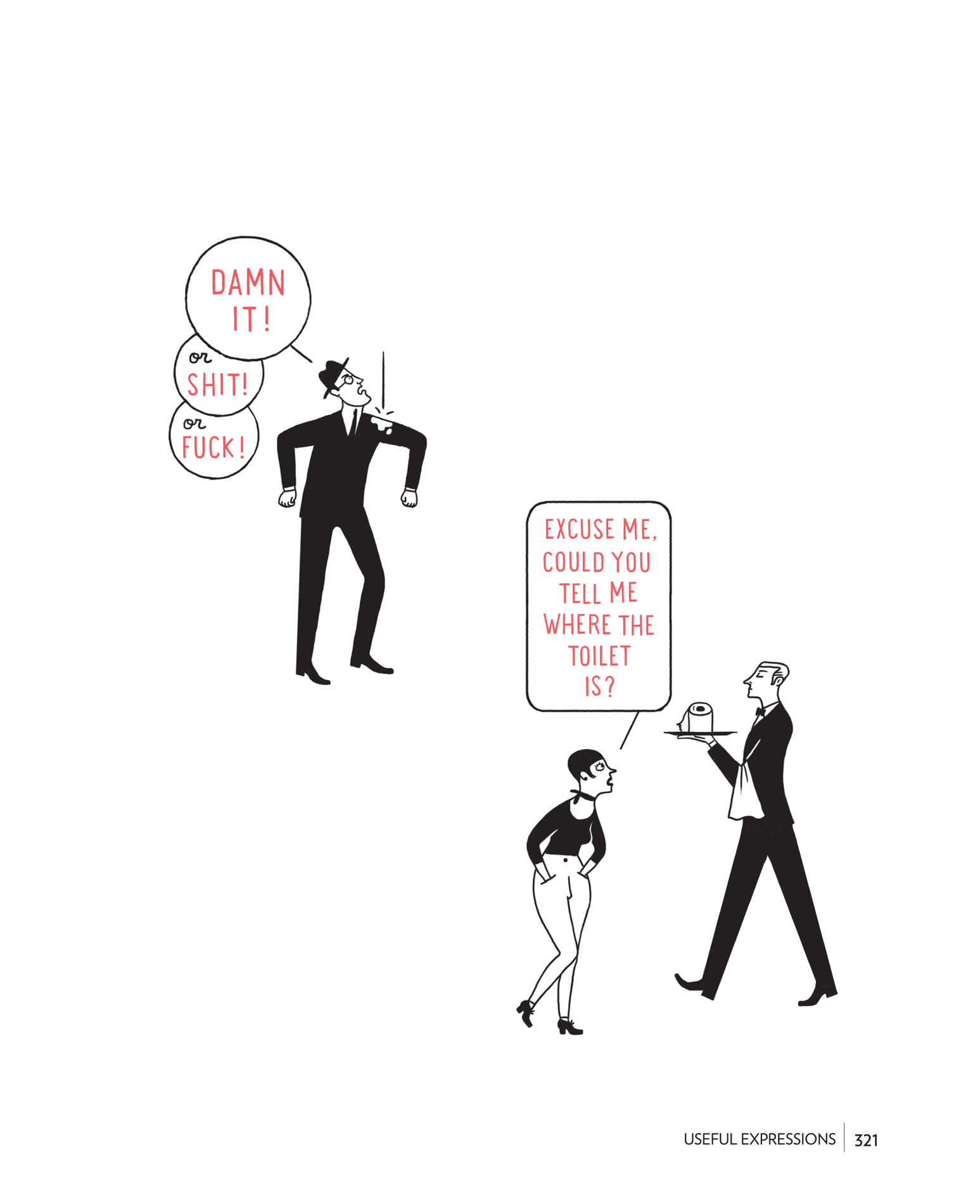
Figure 17.3: Damn it! / Shit! / Fuck! 與 Excuse me, could you tell me where the toilet is? — 發脾氣與向服務生問廁所的兩個情境插圖
辱罵語(Insults)#
副標:Offensive words used towards others.(用來罵人的攻擊性字眼。)
以下字詞屬於不雅或冒犯性用語,主要用於非正式場合或情緒發洩。日常對話、職場與正式場合請避免使用,以免冒犯對方或惹上麻煩。這裡只是如實記錄書中內容,幫助你「聽得懂」而不是「拿來用」。
書中用紅色的樹枝串起一群烏鴉,每隻烏鴉旁邊用花體字寫出一個辱罵字,並標註定義:
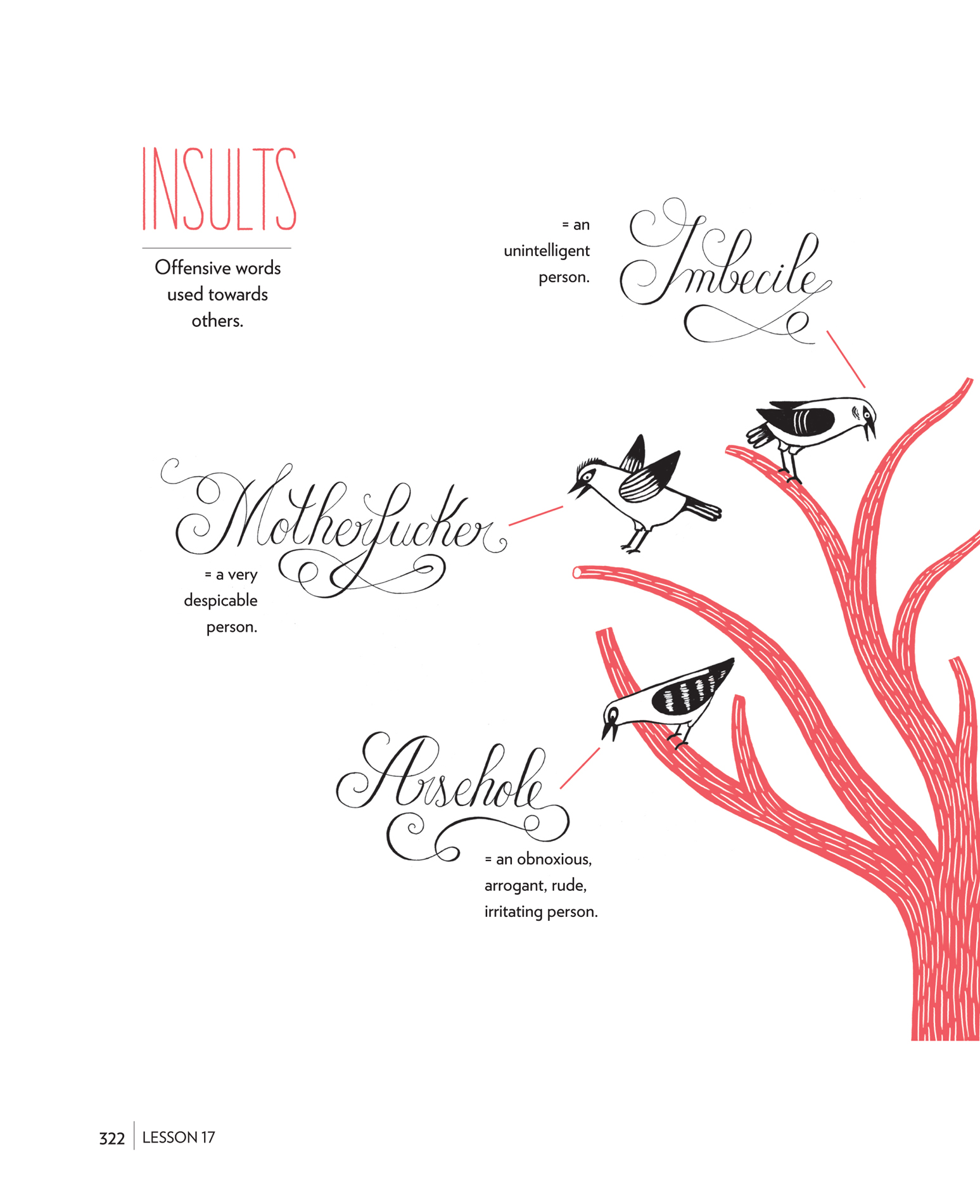
Figure 17.4: Insults — 紅色枝幹上的烏鴉與花體字辱罵字(Imbecile / Motherfucker / Arsehole)
- Imbecile — 笨蛋、白痴(= an unintelligent person.;指智力低下、愚蠢的人)
- Motherfucker — 王八蛋、混帳(= a very despicable person.;指極度卑劣的人)
- Arsehole — 混蛋、討厭鬼(= an obnoxious, arrogant, rude, irritating person.;指令人厭惡、傲慢、無禮、惹人煩的人)
- Arsekisser(也作 Arselicker) — 馬屁精(= a person who will do anything to be liked.;指為了討好他人不惜做任何事的人)
- Bitch — 賤人、討厭的女人(= a malicious or unpleasant woman.;指惡毒或令人討厭的女性)
- Fuck off — 滾開、給我走開(= go away.)
連音現象(Connected Speech)#
副標:When two words are pronounced as one in speech and informal writing.(當兩個字在口語與非正式書寫中被當成一個字唸/寫出來。)
口語英文常把兩個字「黏」在一起發音,書寫上也跟著縮成一個字。這些縮寫只用於非正式場合(聊天、歌詞、漫畫…),正式書寫請還原成原本兩個字。
書中以手寫字體列出五個最常見的連音縮寫:
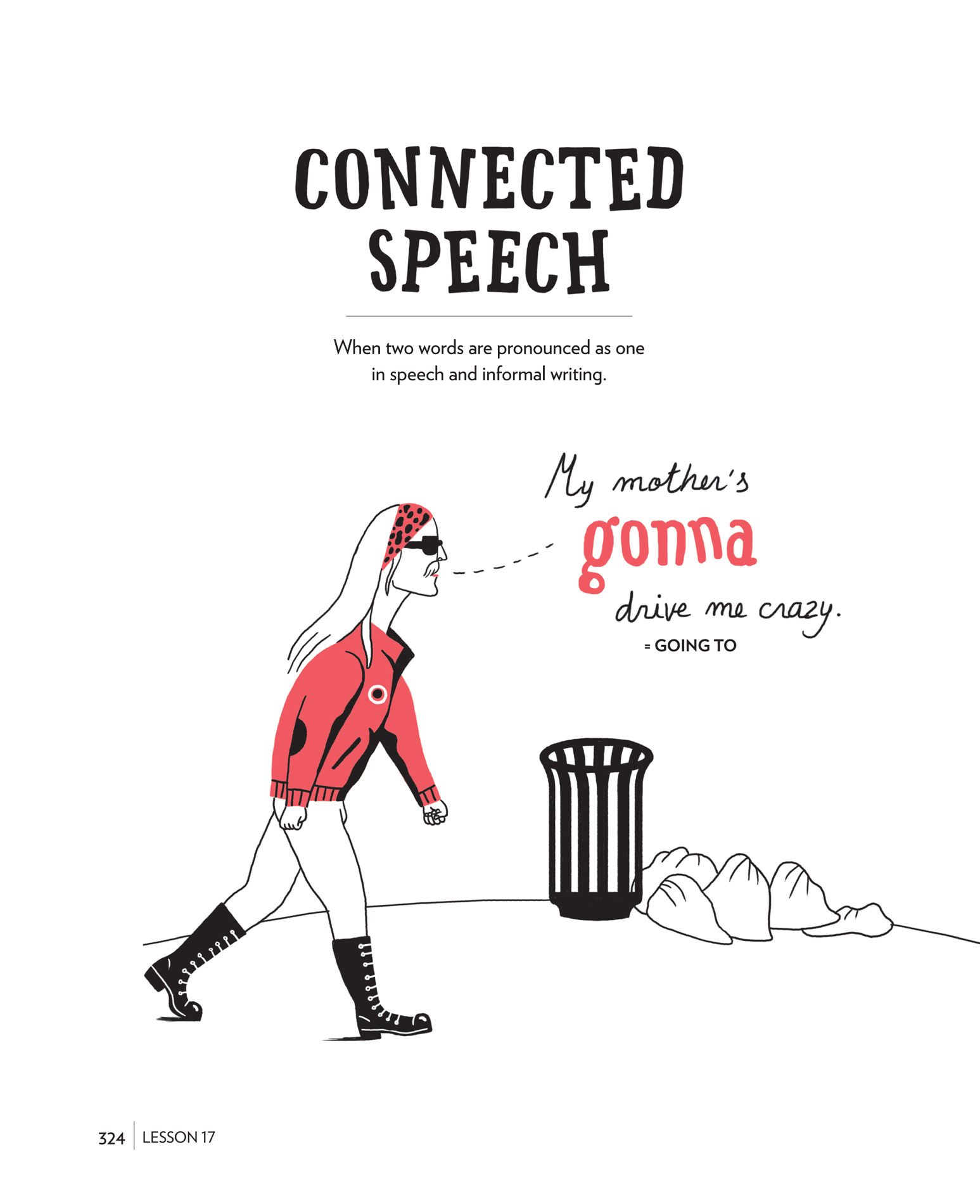
Figure 17.5: Connected Speech — 標題頁與 gonna 例句(My mother's gonna drive me crazy.)
- gonna = going to(將要…)
- 例:My mother’s gonna drive me crazy. — 我媽快把我逼瘋了。
- gotta = have got to(必須…)
- 例:You gotta be careful with me. — 你得小心對待我。
- wanna = want to(想要…)
- 例:I wanna kiss you. — 我想親你。
- woulda = would have(過去式假設「本來會…」)
- 例:We woulda won if they hadn’t… — 如果他們沒…,我們本來會贏。
- coulda = could have(過去式假設「本來可以…」)
- 例:It coulda been worse. — 情況本來可以更糟(意即:還算不錯了)。
- shoulda = should have(過去式假設「本來應該…」)
- 例:She shoulda waxed her moustache. — 她本來應該把鬍子除掉的。
縮寫(Acronyms)#
副標:A word formed from the initial letters of a group of words. They are very common in written and spoken English.(由一群字的首字母拼成的字;在英語的書寫與口語中都非常常見。)
書中用一張「在辦公室爆走、把椅桌電腦都踢飛、雙手歡呼大喊 TGIF! 的女子」插圖開場,接著列出 Common acronyms(常見縮寫):
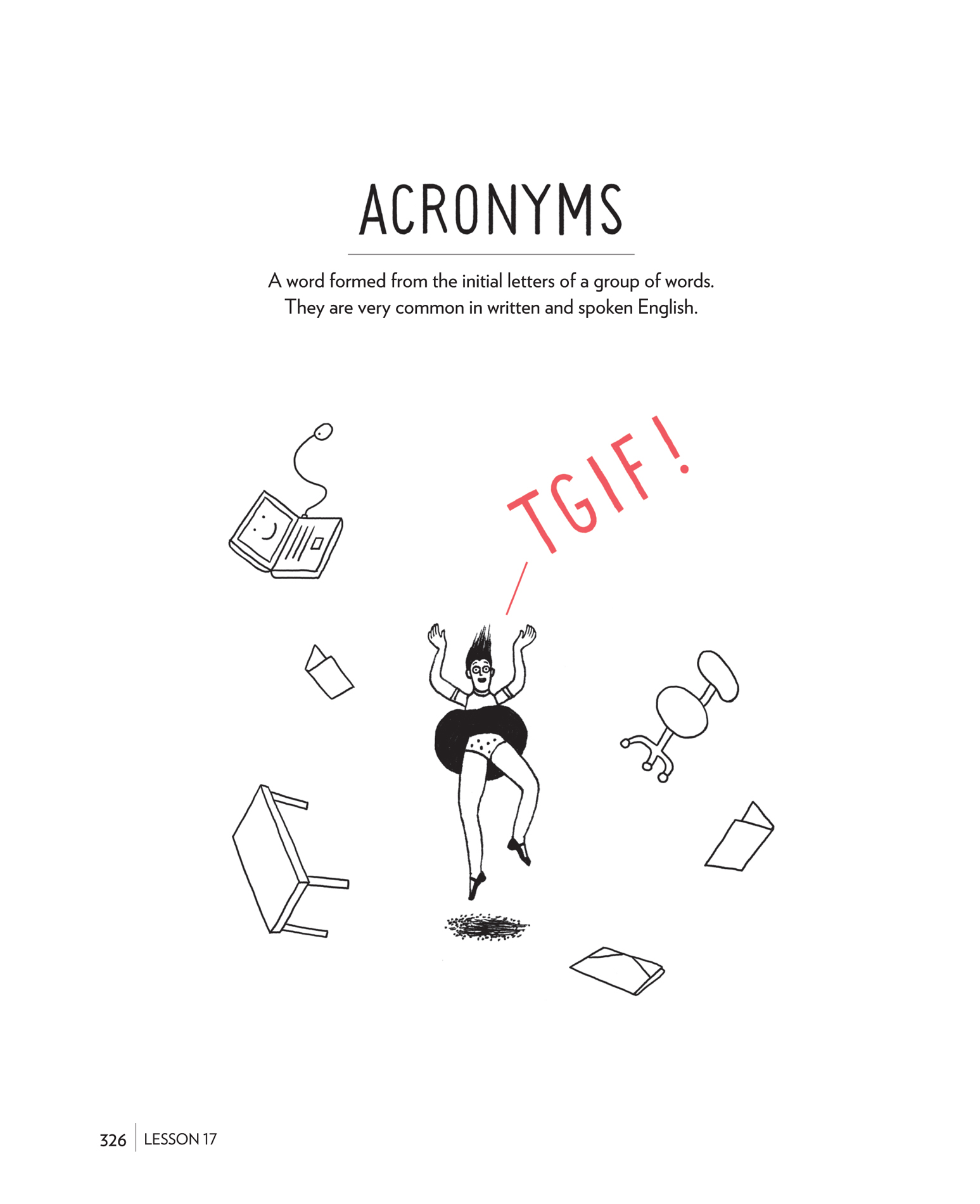
Figure 17.6: Acronyms — 女子在辦公室歡呼大喊 TGIF!,桌椅電腦四散飛起的開場插圖
- TGIF — thank God it’s Friday(感謝老天,終於星期五了!)
- ASAP — as soon as possible(盡快)
- FYI — for your information(供你參考)
- LOL — laughing out loud(大笑)
- AKA — also known as(又名、也被稱為)
- ID — identification(身分證明、識別)
- BTW — by the way(順帶一提)
- XOXO — hugs and kissess(擁抱與親吻;常用於信末或訊息結尾,書中拼寫為 kissess)
- FAQs — frequently asked questions(常見問題)
- RIP — rest in peace(願安息)