Lesson 13 是「片語動詞(Phrasal Verbs)」單元 — 全書最長、可能也最有趣的一課。書中插畫常用一個荒謬的場景把片語的字面義跟引申義同時演出來:例如 eat away at 配上一位剛殺死老鼠、坐在棺材旁滿身鮮血的男子(良心正在「啃食」他);find out 配上一位坐在化妝鏡前的「她」獨白「我的情人到現在還沒發現我其實是男的」。這些畫面比任何例句都更能讓人記住片語的意思。
片語動詞 = 動詞 + 介系詞/副詞 → 一個全新意義的動詞。它是慣用語(idiomatic expressions),意思往往跟原本的動詞無關:give 是給,但 give up 是放棄;break 是打破,但 break down 是故障。學片語動詞要靠「整個一起記」,硬翻單字會走偏。
可分(separable)vs 不可分(inseparable):
- 帶 something 的常常是可分:受詞可以放在中間(pick the book up 或 pick up the book);若受詞是代名詞,必須放中間(pick it up,不能說 pick up it)。
- 帶 someone 的多半也可分:cheer Mary up 或 cheer up Mary;cheer her up(必須放中間)。
- 不帶 something | someone 的(如 grow up, go on, break down)通常是不可分:兩字之間不能塞東西。
- 帶介系詞(如 count on, look after, get along with)也是不可分:受詞放在介系詞之後。
片語動詞(Phrasal Verbs)#
以下依字母順序整理。書中有專屬插畫的片語會額外附上書中例句;只在綜合表格出現的,僅列片語與意思。
A#
- act up — 行為失常、調皮搗蛋(behave badly)
- ask someone over — 邀請某人到家裡來(invite someone to your home)
B#
- blow up — 爆炸(explode)
- blow something up — 炸毀;充氣;把(照片)放大(explode | fill with air | make something [bigger] — 書中此格右側被 PDF 裁切)
- break down — 故障;情緒崩潰(cease working | lose control)
- bring something about — 促成;使發生(make happen)
- bring something / someone back — 讓……復活、恢復(revive)
- bring someone down — 使沮喪(depress)
- bring something up — 提及、提起(mention)
C#
- call someone back — 回電(return a call)
- call something off — 取消(cancel)
- call someone up — 打電話聯絡(contact by phone)
- carry on — 繼續(continue)
- catch on — 理解、領會;變得受歡迎(understand, perceive | become po[pular] — 右側裁切)
- check something out — 檢查、確認(examine)
- cheer someone up — 讓某人開心起來(make someone feel happier)
- clean something / someone up — 清理乾淨(clean a mess)
- clear something up — 解釋清楚(explain)
- close something down — 停業、結束營運(suspend or stop operations)
- come back — 回來(return)
- come in — 進入(enter)
- come out — 公開發行、公布(be released publicly)
- come up with something — 想出(invent)
- count on something / someone — 依靠、指望(depend on)
- creep up on someone(也可說 sneak up on somebody) — 悄悄靠近以嚇人(approach gradually to surprise)
You must creep up on your prey if you don’t want to be heard.(你要躡手躡腳靠近獵物,不然會被聽見。)── 書中插畫是一位躡足前進的男子。
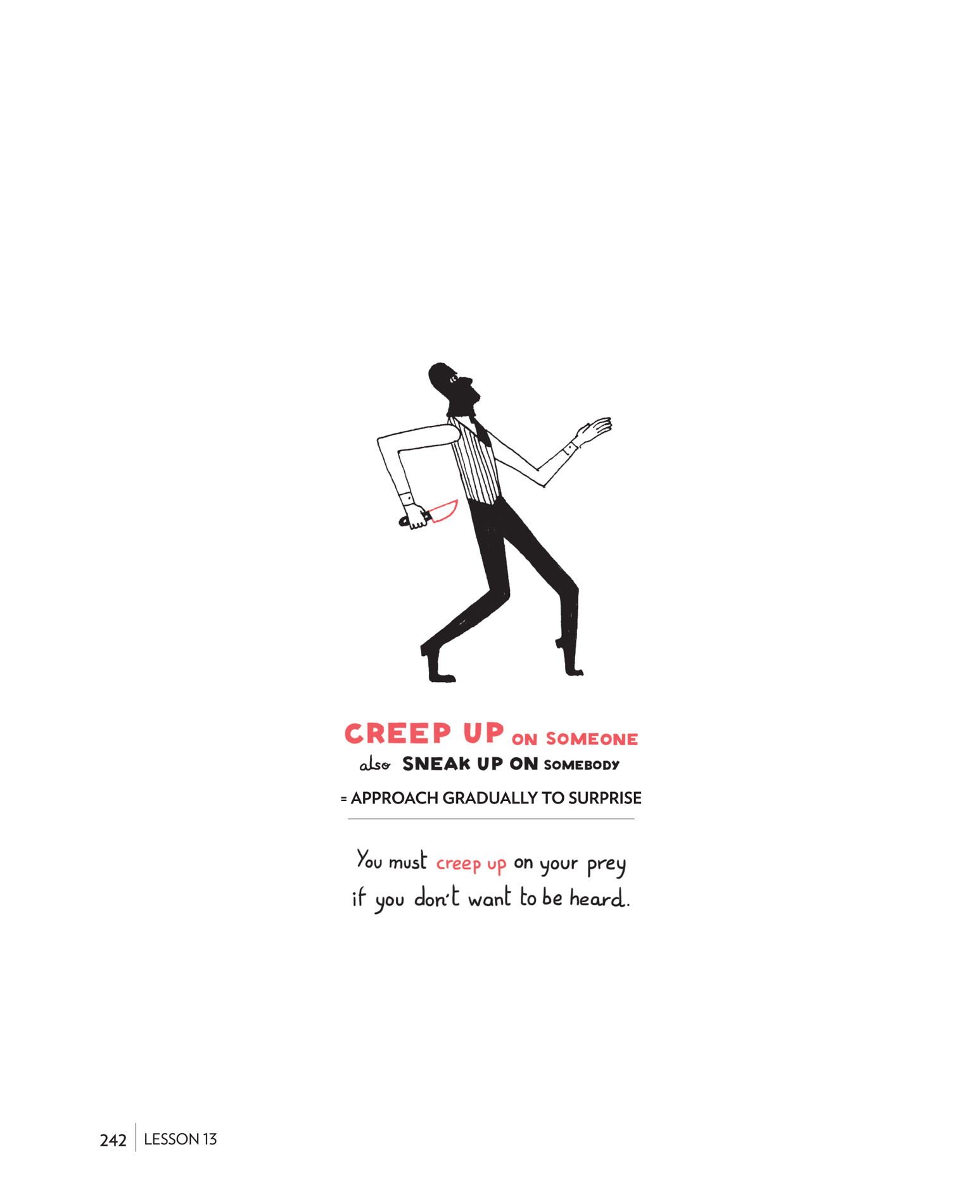
Figure 13.2: creep up on — 悄悄靠近以嚇人(持刀躡足前進的男子)
- cut down on something — 減量(reduce)
- cut something out — 去除、停止(remove | stop)
- cut something up — 切碎(cut into small pieces)
D#
- do something over — 重做(do again)
- do something / someone up — 打扮、裝飾得更漂亮(make more beautiful)
- draw something together — 結合、團結(unite)
- dream something up — 憑空想出(invent)
- dress up — 盛裝、穿正式或特殊衣服(wear special clothes)
- drink something up — 喝光(drink completely)
- drop in — 順便拜訪(visit quickly, casually or without invitation — 末字 invitation 在 PDF 右側被裁切)
- drop something / someone off — 送(人或物)到目的地(deliver)
E#
- eat away at — 一點一點侵蝕、損害(gradually reduce or damage)
He killed a mouse and that is eating away at his conscience.(他殺了一隻老鼠,這件事一直在啃食他的良心。)── 書中插畫:一位坐在椅子上、胸口染血的男子,腳邊放著一個小棺材。
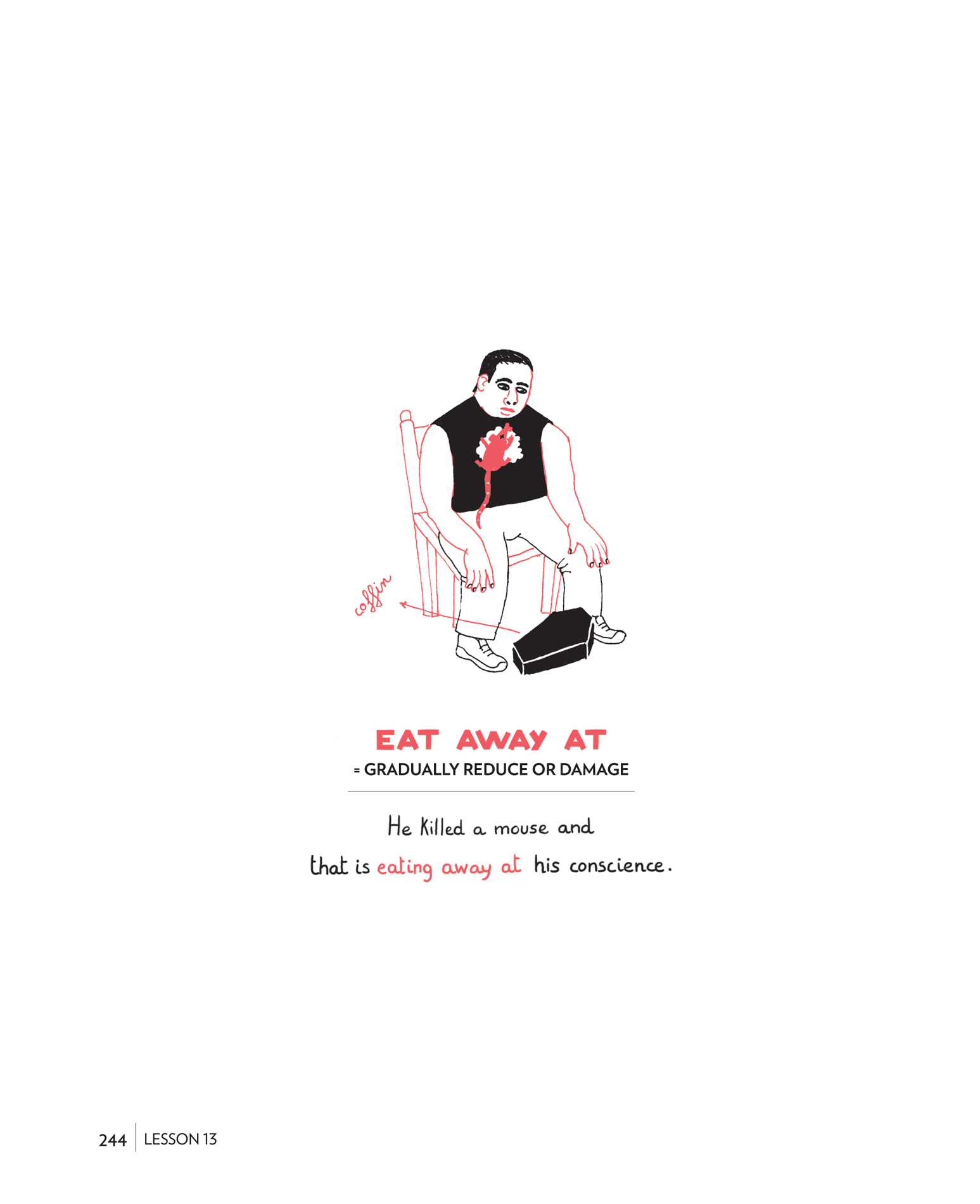
Figure 13.3: eat away at — 一點一點啃食(良心被殺老鼠的罪惡感啃食)
- eat in — 在家吃(eat at home)
- eat out — 上館子吃飯(書中也標出第二個粗俗義:對女性進行口交。eat at a restaurant | perform oral sex on a woman)
- end up with something — 最終得到(get as a result)
F#
- face up to — 正視、面對(confront and deal with)
Billy Brave was afraid of insects. He decided to face up to his fear.(Billy Brave 怕蟲。他決定面對自己的恐懼。)── 書中插畫:一張臉爬滿各種昆蟲(cockroach 蟑螂、ladybird 瓢蟲、ant 螞蟻、spider 蜘蛛等被標示出來)卻仍露出笑容的男子。
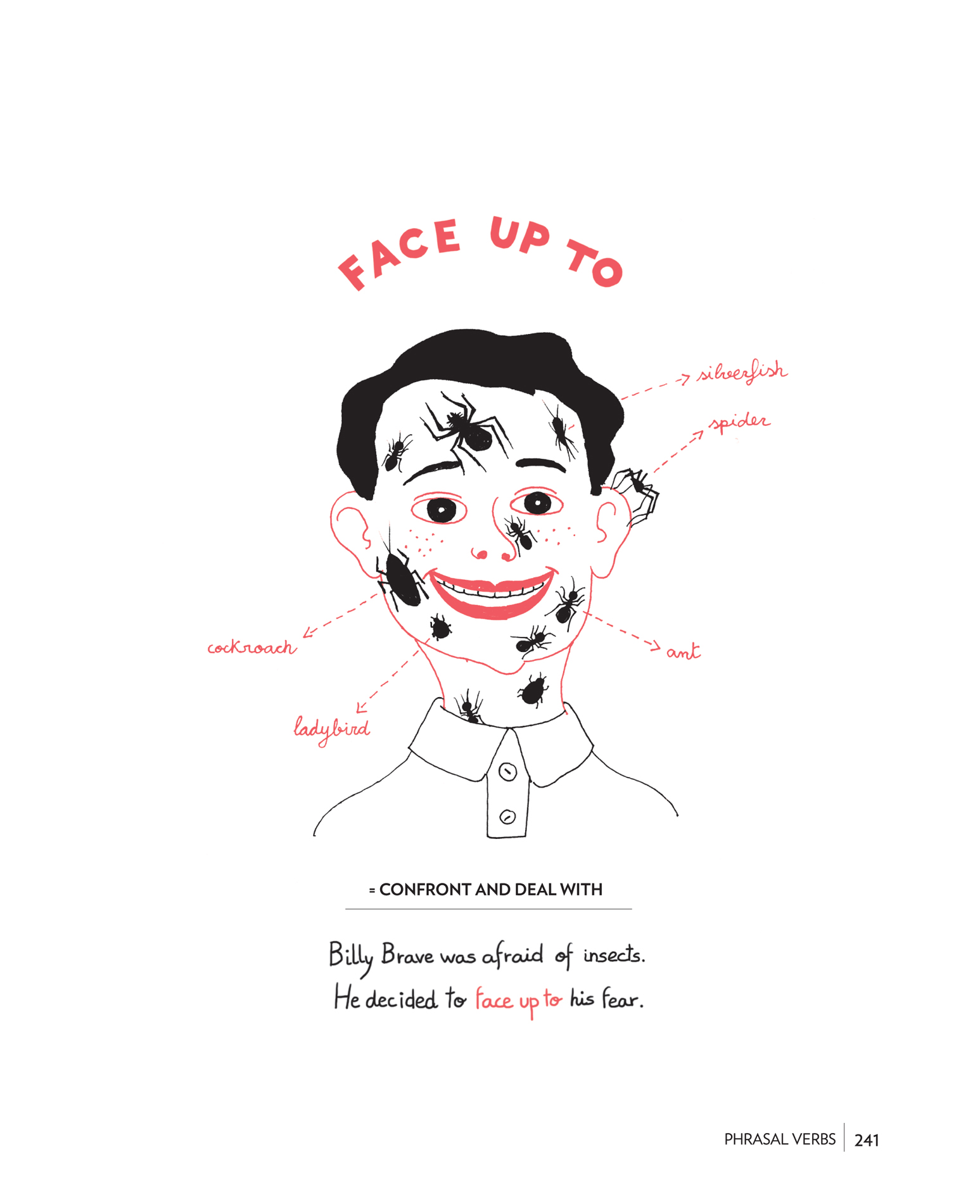
Figure 13.1: face up to — 正視恐懼(一張爬滿昆蟲卻仍微笑的臉)
- fall apart — 碎成一片片;情緒崩潰(break to pieces)
書中三格漫畫:第一格女子抱花瓶,第二格花瓶絆倒她,第三格女子摔碎在地,花瓶完好無事 ── 「A woman with a vase fell down. The woman fell apart. They used the vase as her funeral u[rn]. It seemed sa[d]…」(女子和花瓶一起跌倒,女人碎了,他們就用花瓶當她的骨灰罈,看起來真悲傷 — 句尾被 PDF 裁切)。
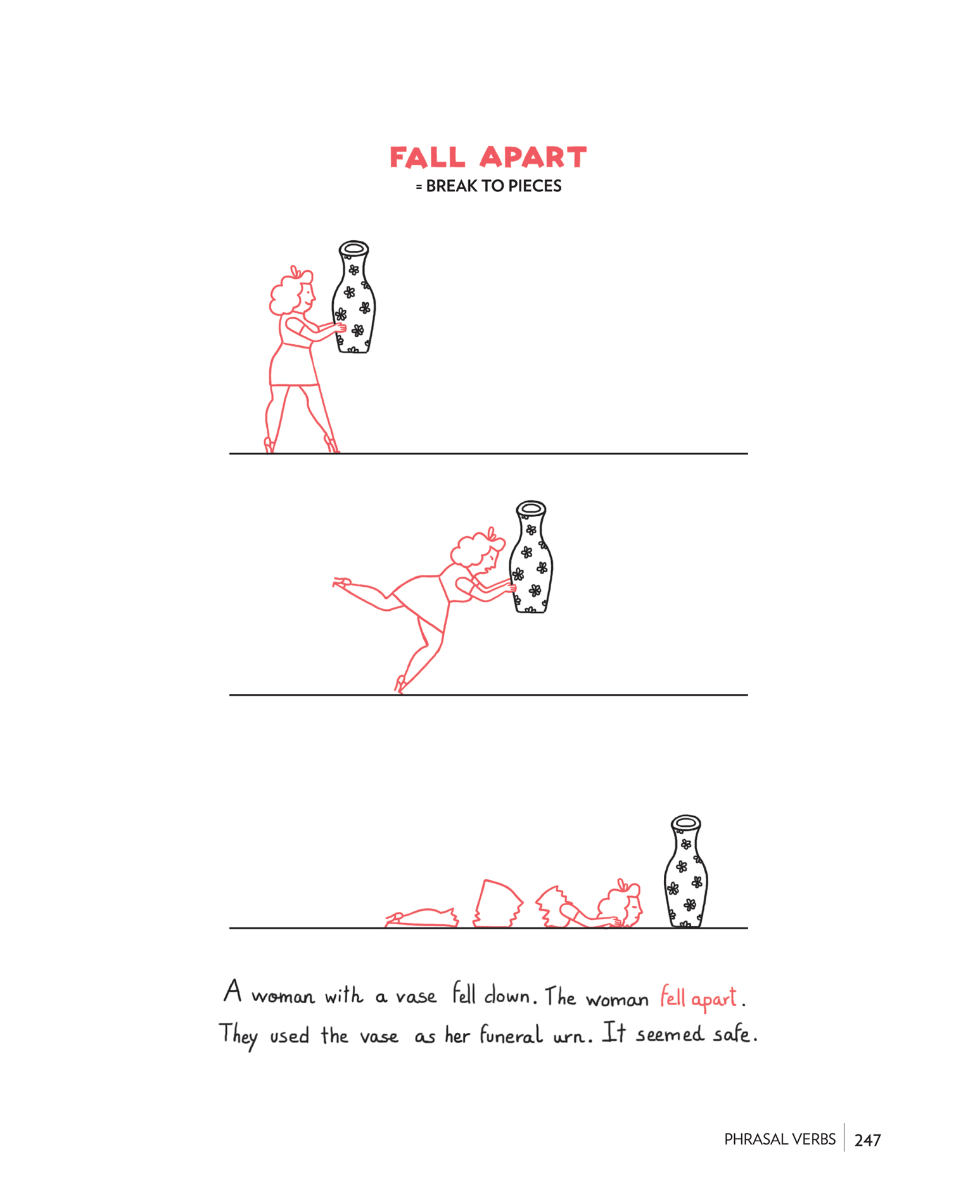
Figure 13.5: fall apart — 碎成一片片(女子摔碎、花瓶完好的三格漫畫)
- fall down — 沒能達到期望(fail to meet expectations)
- fall for someone — 愛上(fall in love with)
- figure something / someone out — 想通、解開、理解(discover | solve | understand som[ething] — 右側裁切)
- fill something in — 填寫資訊(complete with information)
- fill something out — 填表(complete a form with information)
- find something out — 發現(discover)
So far, my lover hasn’t found out that I am really a man.(到現在,我的情人還沒發現我其實是個男的。)── 書中插畫:一位戴假髮、化好妝、穿黑洋裝、坐在化妝桌邊的人物。
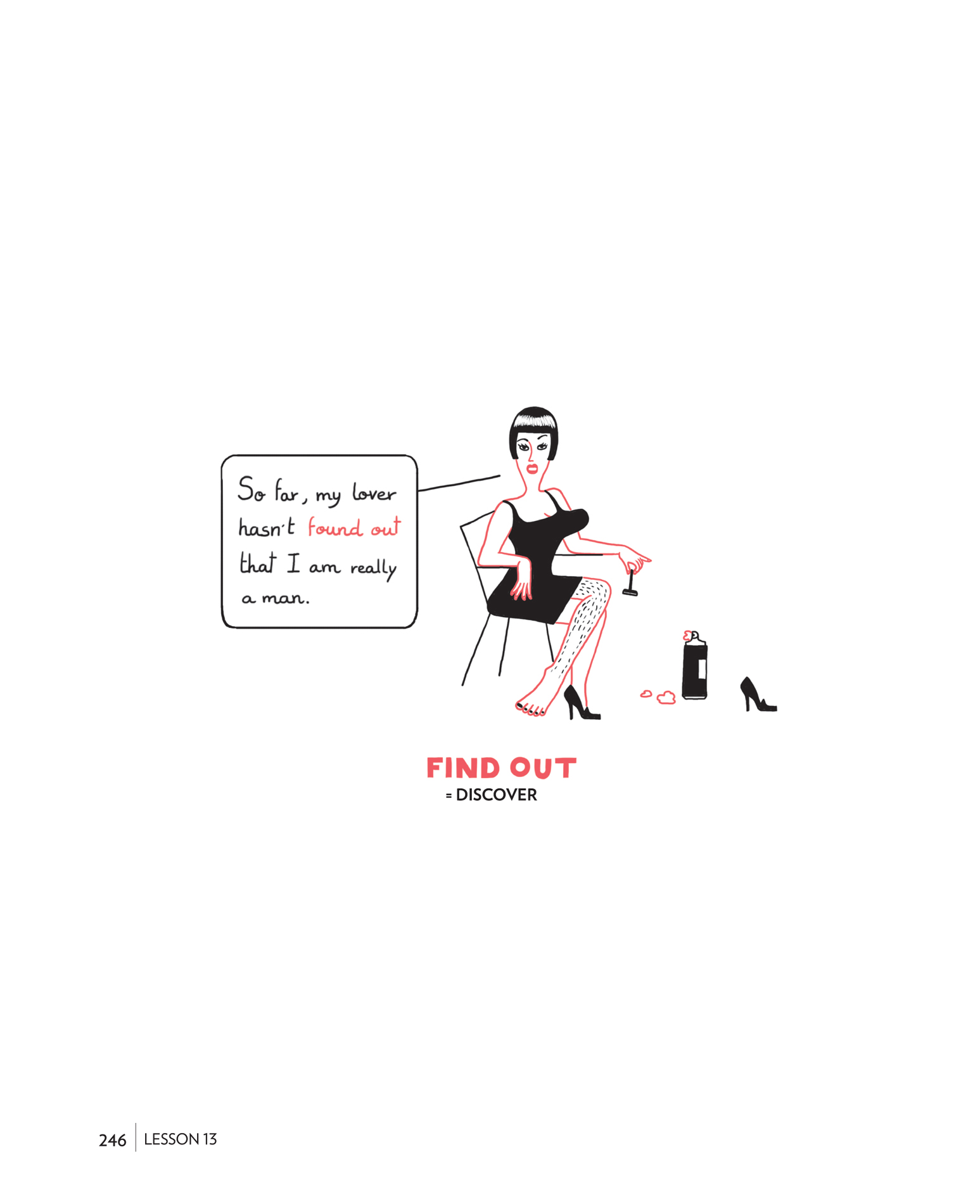
Figure 13.4: find out — 發現(化妝中、藏著祕密的「她」)
- fix something up — 改善、修整(improve)
- follow through — 完成、貫徹到底(complete)
- fool around — 開玩笑、胡鬧;偷情(act jokingly | engage in sexual for[nication],右側裁切)
- freak out — 抓狂、驚慌失措(behave in a wild and irrational way)
No matter how much she misses her husband, every time she sees him she still freaks out.(不管她多想念過世的丈夫,每次見到他還是被嚇到失控。)── 書中插畫:女子坐在沙發看到亡夫的鬼魂飄來說「Sweetheart, it’s me!」嚇得頭髮全豎起來。
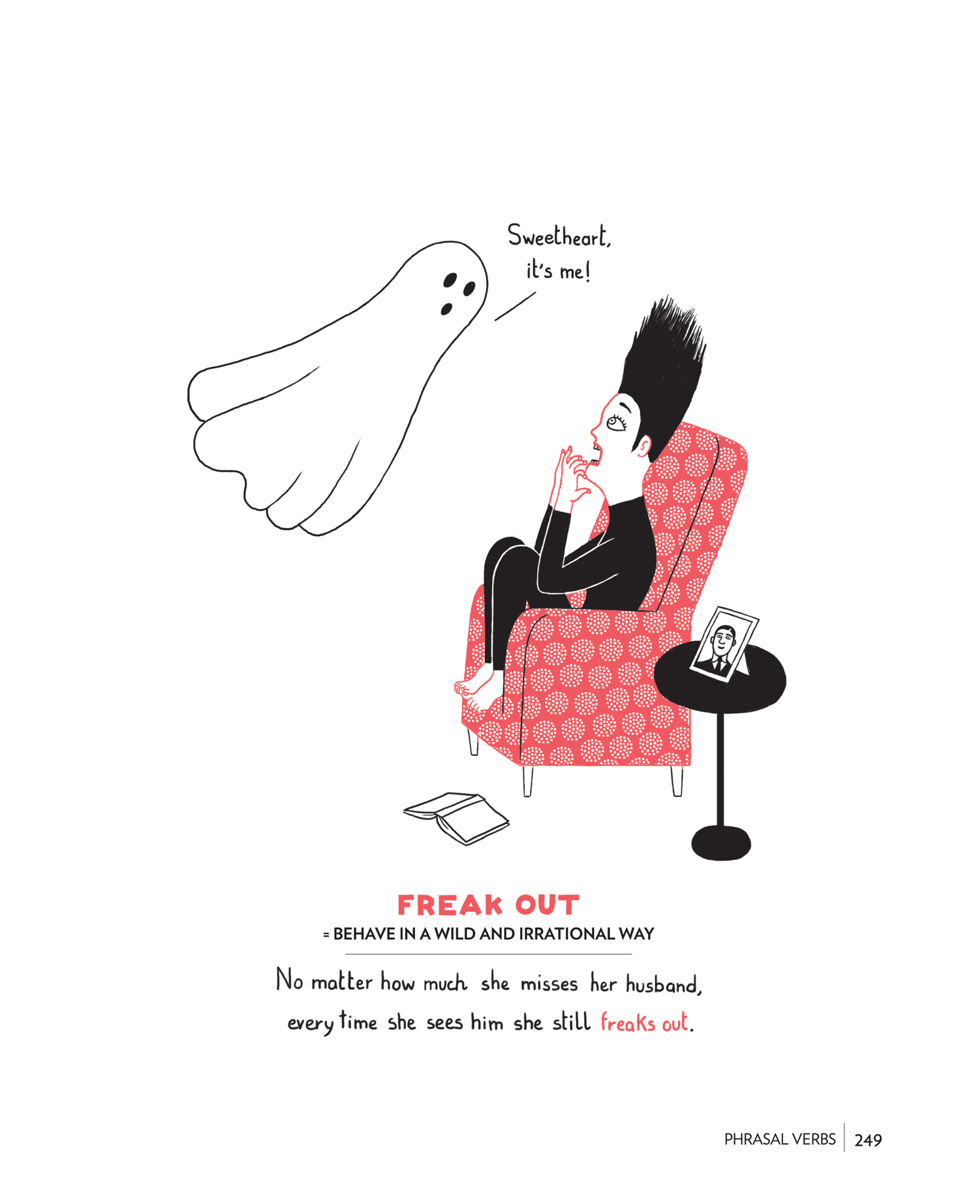
Figure 13.6: freak out — 嚇到失控(亡夫鬼魂出現,頭髮全豎起)
- fuck up — 搞砸、毀掉(make a mess, ruin or spoil)
- fuck someone up — 在情感上或身體上傷害某人(damage emotionally or physically)
- fuck something up — 把某事做爛(do something badly)
G#
- give something up — 停止、放棄(stop | abandon)
- go along with something — 同意、贊同(consent or agree to)
- go back — 回去、返回(return)
- go down — 減少(decrease)
- go on — 繼續(continue)
- go out — 出去、離開(leave)
- go over something — 仔細檢視(examine)
- go up — 增加(increase)
- gobble down — 狼吞虎嚥地吃掉(eat hungrily or quickly)
Meryl was starving and didn’t feel like cooking so she started gobbling down her beloved husband.(Meryl 餓壞了又懶得煮飯,於是開始把心愛的老公吞下肚。)── 書中插畫:一位女子正在「咬」她丈夫的頭,鮮血橫流。
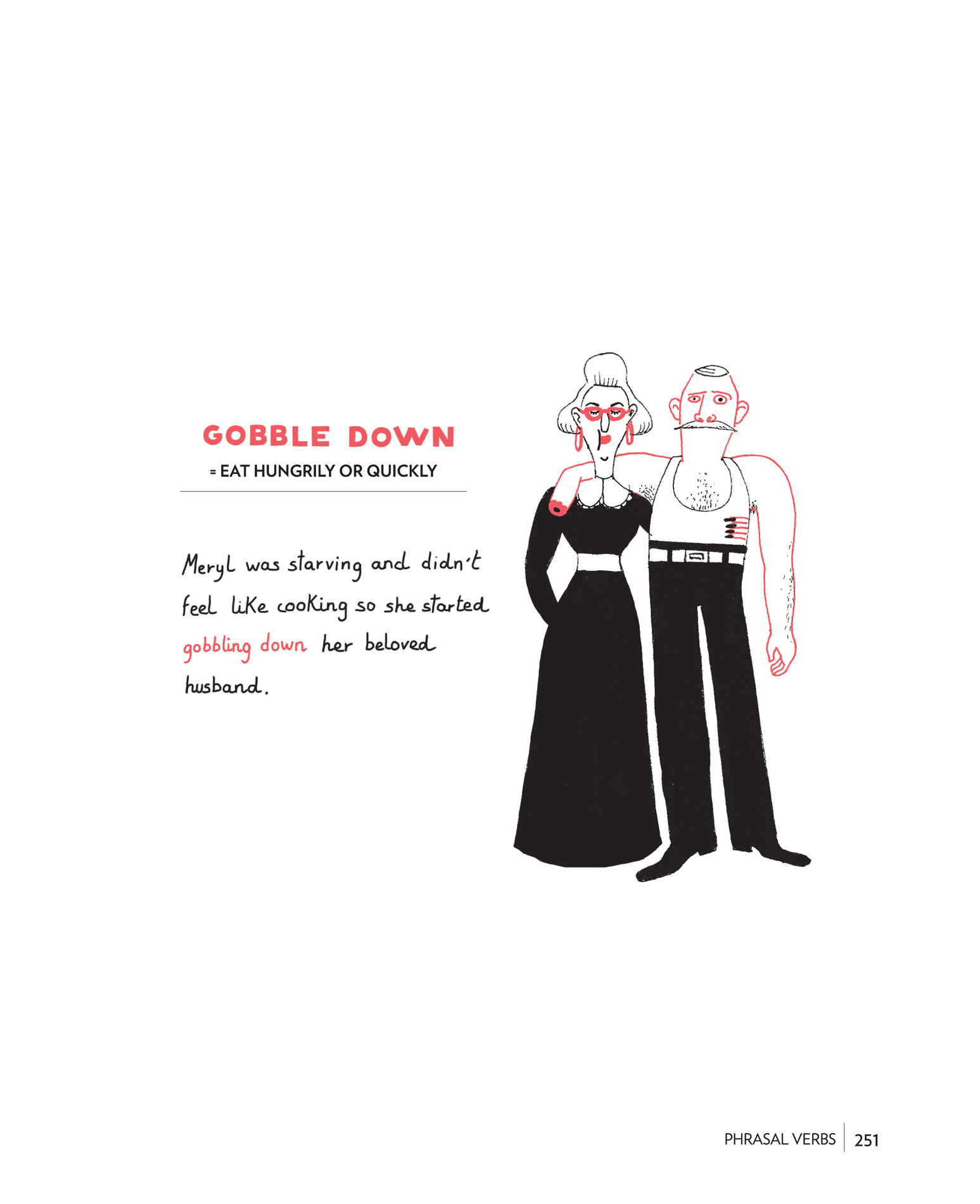
Figure 13.7: gobble down — 狼吞虎嚥(Meryl 把心愛的丈夫吞下肚)
- grow up — 長大成人(become an adult)
H#
- hang out — 廝混、放鬆社交(spend time relaxing or socialising)
- hang up — 掛電話(end a phone call)
- hang something up — 掛起來(put on a hook or hanger)
- hold on — 等一下;不要掛電話(wait | not hang up the phone)
K#
- keep away — 保持距離(stay at a distance)
- keep on — 繼續(continue)
- keep up with — 跟上(move at the same rate)
L#
- lay something down — 把……平放(put something down horizontally)
- lay something out — 按計畫安排;花掉(arrange according to a plan | spen[d],右側裁切)
- leave something on — 不關掉、不脫掉(not to turn off or take off)
- leave something / someone out — 排除、忽略(exclude)
- let someone down — 令人失望(disappoint)
- let something / someone in — 讓……進來(allow to enter)
- let someone off — 不處罰(not punish)
- lie down — 躺下(recline)
- light up — 點亮(illuminate)
- look after — 照顧(take care of)
- look for — 尋找(attempt to find)
- look forward to — 期待(await eagerly)
- look out — 小心、留神(be careful)
- look something up — 查資料(find information)
M#
- miss out — 錯失機會(fail to use an opportunity)
P#
- pass something up — 不接受、放棄(refrain from accepting)
- pay someone back — 還錢;報復(repay a loan)
- pay off — 有收益、值得(be profitable)
- pick something / someone out — 挑選(choose from a group)
- pick up — 改善;接電話(improve | answer the phone)
- pick someone up — 接(人)(go somewhere to collect someone — someon 末尾被 PDF 裁切)
- pick something up — 撿起來、拿回(collect something left elsewhere)
- piss someone off — 惹某人生氣(annoy or make angry)
Tamara is a calm girl, but everything her mother says pisses her off.(Tamara 是個冷靜的女孩,但她媽媽講的每件事都讓她抓狂。)── 書中插畫:一位翻白眼的少女在飯桌前氣呼呼,背後媽媽望著窗外說「It’s sunny.」(外面晴天耶。)。
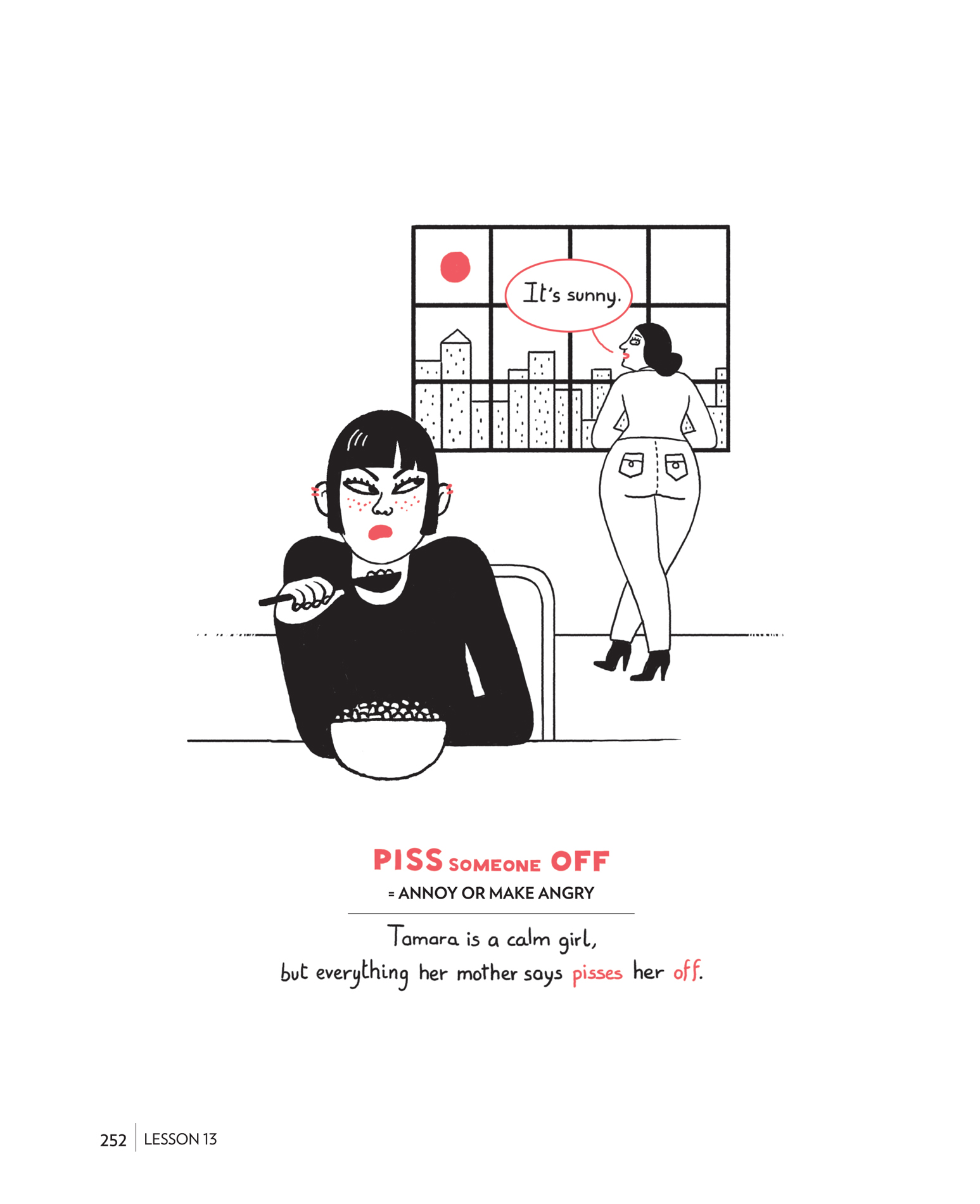
Figure 13.8: piss someone off — 惹某人生氣(Tamara 被媽媽一句『It's sunny』惹到翻白眼)
- play around — 開玩笑;搞外遇(joke | have an affair)
- point something out — 指出(indicate)
- put something away — 存起來;放回原位(save money | put something in its p[lace],右側裁切)
- put something back — 放回原處(return something to its original pl[ace],右側裁切)
- put someone off — 使……卻步、打消念頭(discourage | repulse)
- put something off — 延期(postpone)
- put something together — 組裝(assemble)
- put something up — 展示(display for others to see)
R#
- rip someone off — 騙錢、敲竹槓(cheat someone out of money)
- run into someone — 偶遇(meet by chance)
S#
- send something back — 退回、退貨(return)
- set something up — 安裝就緒;準備好(place in position | prepare for use)
- shut up — 閉嘴(stop talking)
- sign someone up — 報名、登記(register)
- sit down — 坐下(take a seat)
- slip up — 出錯、犯小錯(make a mistake)
- start something over — 從頭再來(start again)
- stay up — 熬夜不睡(remain awake)
- switch something on — 開(機器、電燈)(start a machine or turn on a light)
T#
- take something away — 拿走、移除(remove)
- take something back — 接受退貨;收回(自己說的話)(accept a return | retract words)
- take something in — 完全理解、消化(comprehend fully)
- take off — 起飛、離開(depart)
- take something off — 脫掉、移除(remove)
- take someone on — 雇用;接受挑戰(hire | challenge)
- talk back — 頂嘴(reply defiantly)
- talk someone into — 說服(persuade)
- talk something over — 討論(discuss)
- tear something down / apart — 摧毀、拆毀(destroy)
- tell someone off — 訓斥、痛罵(reprimand or scold | swear at som[eone],右側裁切)
- think back — 回想(remember the past)
- think something over — 仔細考慮(consider)
- think something up — 想出、編出(invent)
- throw something away — 丟掉(discard, put in the trash)
- throw up — 嘔吐(vomit)
- touch something up — 微調、修飾(improve by making small change[s],右側裁切)
- try something on — 試穿(put clothing on to see if it fits)
He tried the gabardine on. It was perfect for his exhibitionist habits.(他試穿了那件風衣,正好適合他的暴露狂癖好。)── 書中插畫:一位男子敞開風衣大衣,裡面什麼都沒穿。
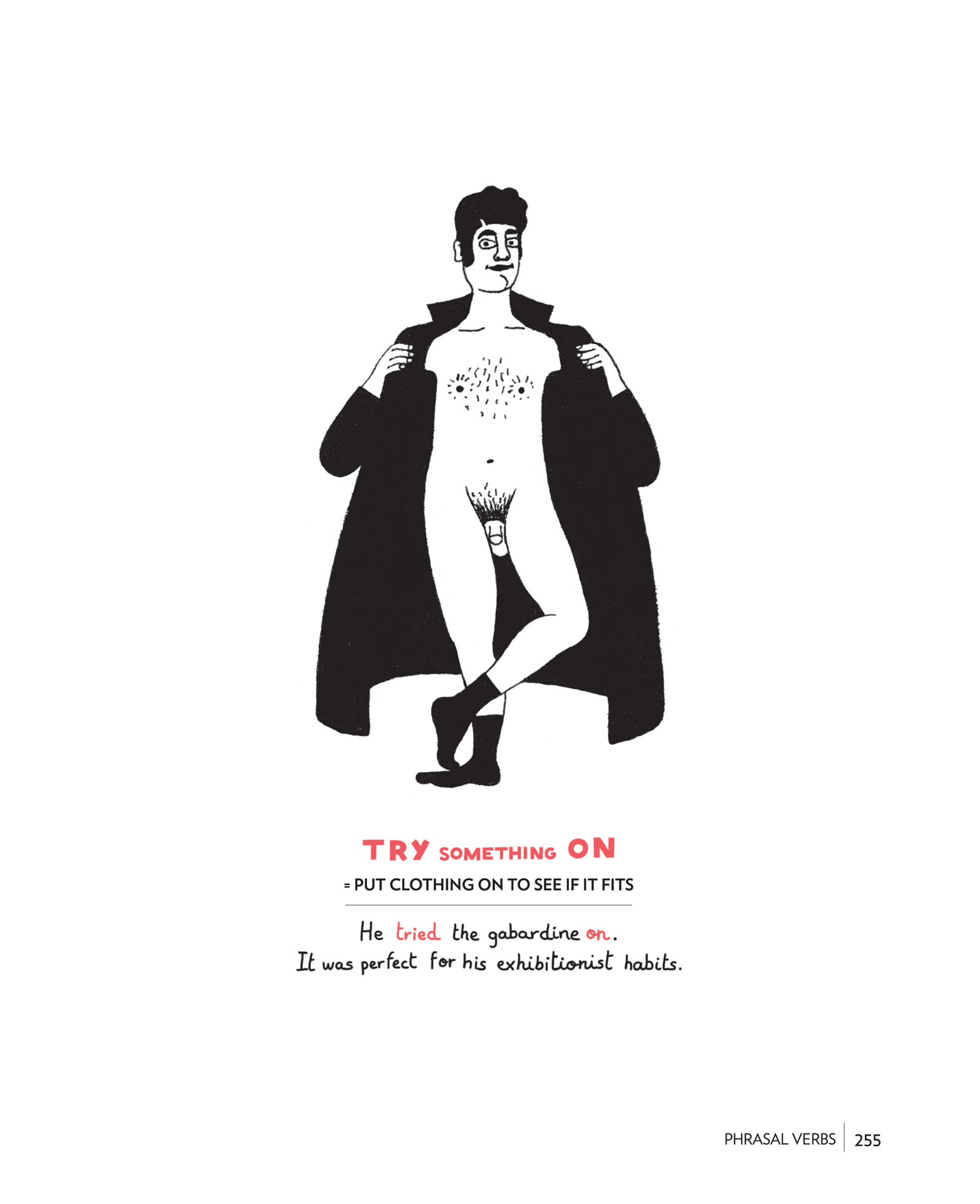
Figure 13.9: try something on — 試穿(暴露狂試穿風衣的「完美」搭配)
- try something out — 試用、試試看(use something to see if it works)
- turn someone down — 拒絕某人(reject someone)
- turn something down — 拒絕;調小音量(refuse | lower the volume)
- turn someone on — 引起性慾(excite someone sexually)
- turn something / someone into — 把……變成另一個(change from one form to anothe[r],右側裁切)
- turn someone off — 讓人覺得無聊或反感(bore or offend someone)
- turn something on — 啟動(機器、燈)(start something — a machine, a lig[ht],右側裁切)
- turn someone on — 在性方面挑逗(arouse someone sexually)
- turn out — 結果是、結局是(have a particular result)
- turn up — 意外出現(appear unexpectedly)
- turn something up — 調大(音量、火力)(increase by adjusting the control o[f],右側裁切)
W#
- wake someone up — 叫醒(stop sleeping)
- watch out — 注意、小心(be attentive)
- work something off — 透過工作或運動消除(remove through work or other ac[tion],右側裁切)
- work out — 解決;運動(solve | exercise)
- write something down — 寫下來(write on a piece of paper)
含 GET 的片語動詞(Phrasal Verbs with GET)#
有些片語動詞可以有非常多種意義 — 尤其是含 GET 的這一群。同一個 get on 既可以是「上車」、也可以是「繼續做」、還可以是「變老」;同一個 get off 在不同情境裡能是「下車」、「逃過懲罰」、「下班」、「掛電話」、「達到性高潮」⋯⋯ 真正的意思要看上下文。
get along#
一張插畫裡的女子拿著紅色課本(書名 English Lessons),她和兔子 Lolo 共用三個對話框:「I’m not getting along with English. = PROGRESS」(我學英文沒有進展),「My rabbit Lolo and I get along very well. = HAVE A GOOD RELATIONSHIP」(我和兔子 Lolo 處得很好),同時兔子在腳邊大便,她罵:「Get lost, Lolo!」(滾開,Lolo!)
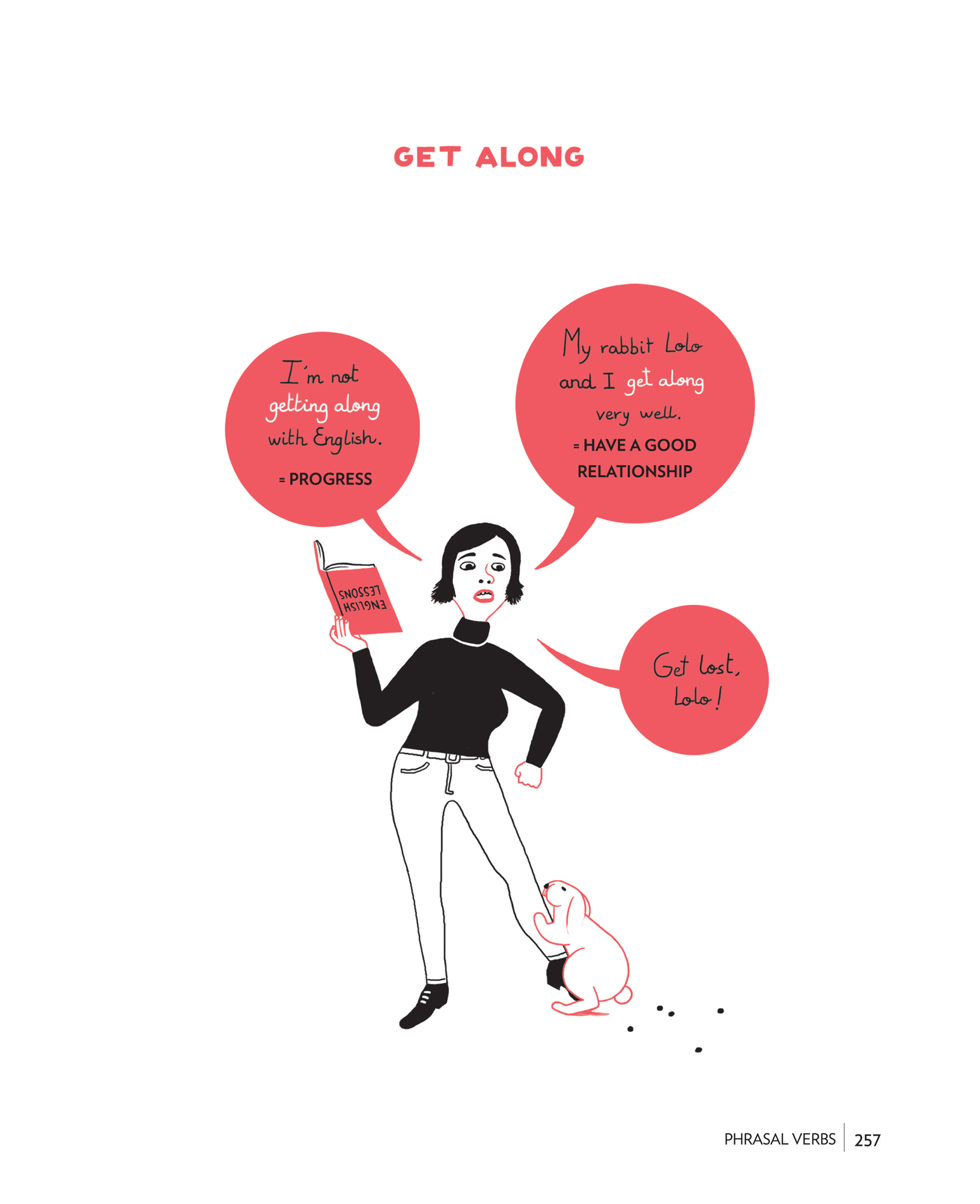
Figure 13.10: get along — 進展/和睦相處(拿英文課本的女子與兔子 Lolo)
- get along = 進展;和睦相處(progress / have a good relationship)
get back / get back at / get back into / get back to / get back together#
書中用一系列插畫示範 get back 家族的多義:
- get back — 從某地回來;報復;搬走(return from somewhere | take revenge | move away)
- get back at someone — 報復某人(take revenge)
插畫:一位男子被吊在繩上、腿掙扎著,對下方扛著椅子離開的眼鏡男大喊「I will get back a[t] you!」(我會報復你!)── 暗示眼鏡男把椅子抽走後讓他吊在那裡。
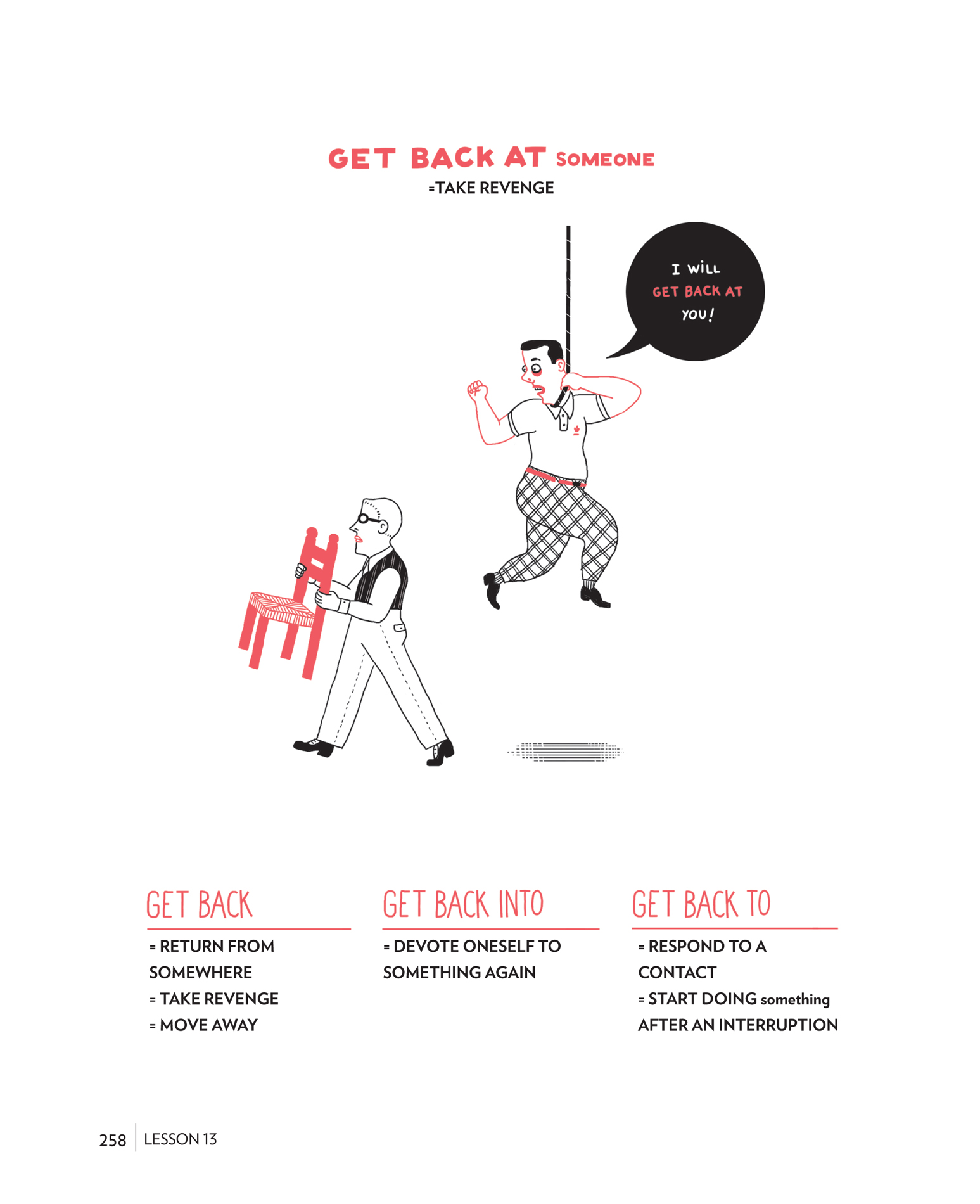
Figure 13.11: get back at — 報復(被吊在繩上的男子怒喊『I will get back at you!』)
- get back into — 重新投入某事(devote oneself to something again)
插畫接續:男子坐在椅上抱怨「…but sometimes we get back into our old patterns.」(……但有時我們會重蹈覆轍)── 同時手指被椅子釘到,痛罵「MOTHER FUCKER!」。
- get back to — 回覆對方的聯絡;中斷後重新開始做某事(respond t[o] contact | start doi[ng something] after an in[terruption],書中此格右側被 PDF 裁切)
- get back together — 復合(restart a relationship)
插畫:女子坐在椅上對著空椅子說「Peter and I got back together. We get along quite well…」(我和 Peter 復合了,我們相處得不錯……)
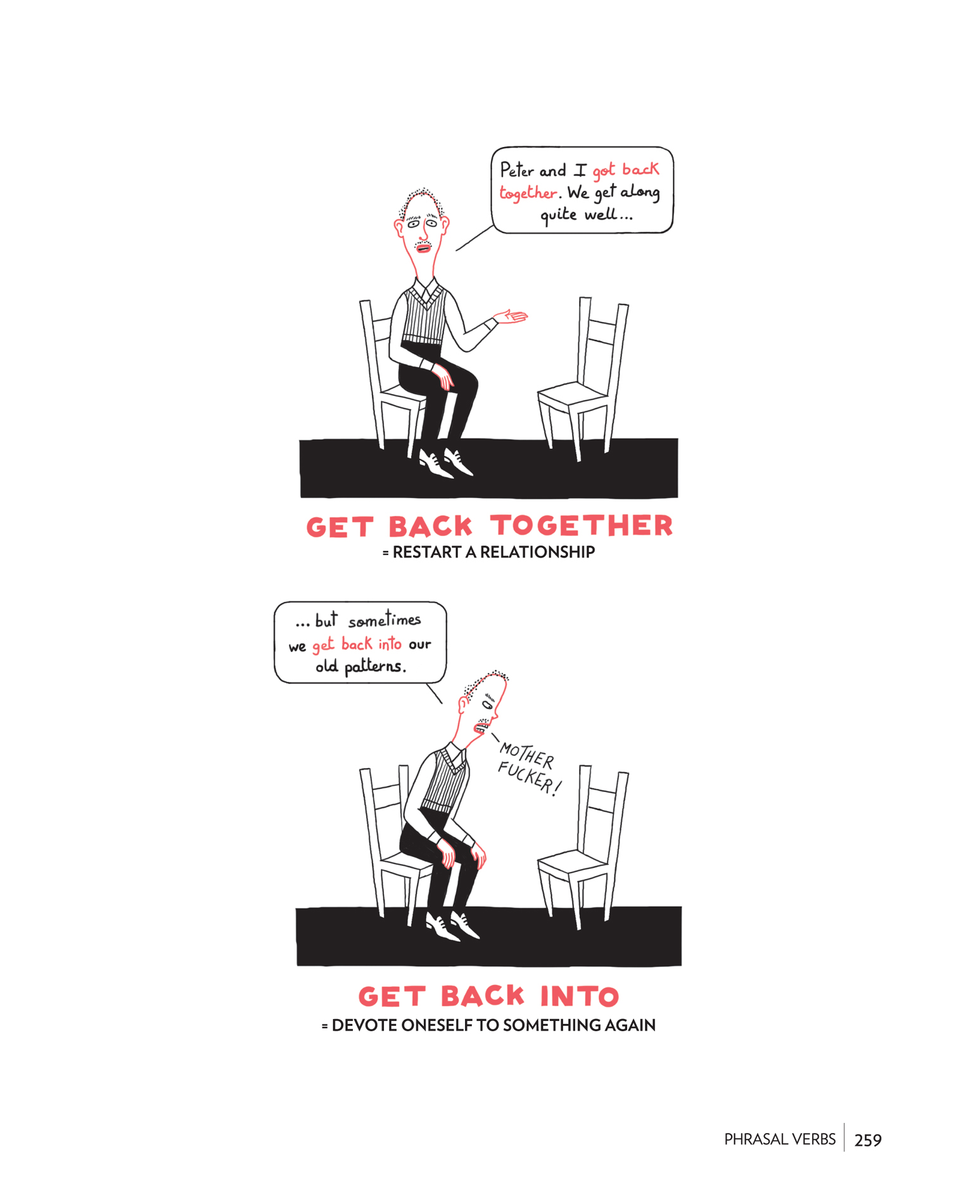
Figure 13.12: get back together/get back into — 復合與重蹈覆轍(Peter 與另一半的兩格漫畫)
get on / get off / get away#
書中用一張地鐵插畫同時演出三個 get 家族:警察衝向列車門,車內小偷 Billy Prank 從另一邊跳下,鐵軌延伸出畫面。
- get on — 上車(火車、巴士、飛機等)(enter a train, bus, plane, etc.)
- get off — 下車(exit a vehicle)
- get away — 逃脫(escape)
While the policemen were getting on the train to catch Billy Prank, he got off. Finally, he got away.(當警察上車要抓 Billy Prank 時,他下了車。最後成功逃脫。)
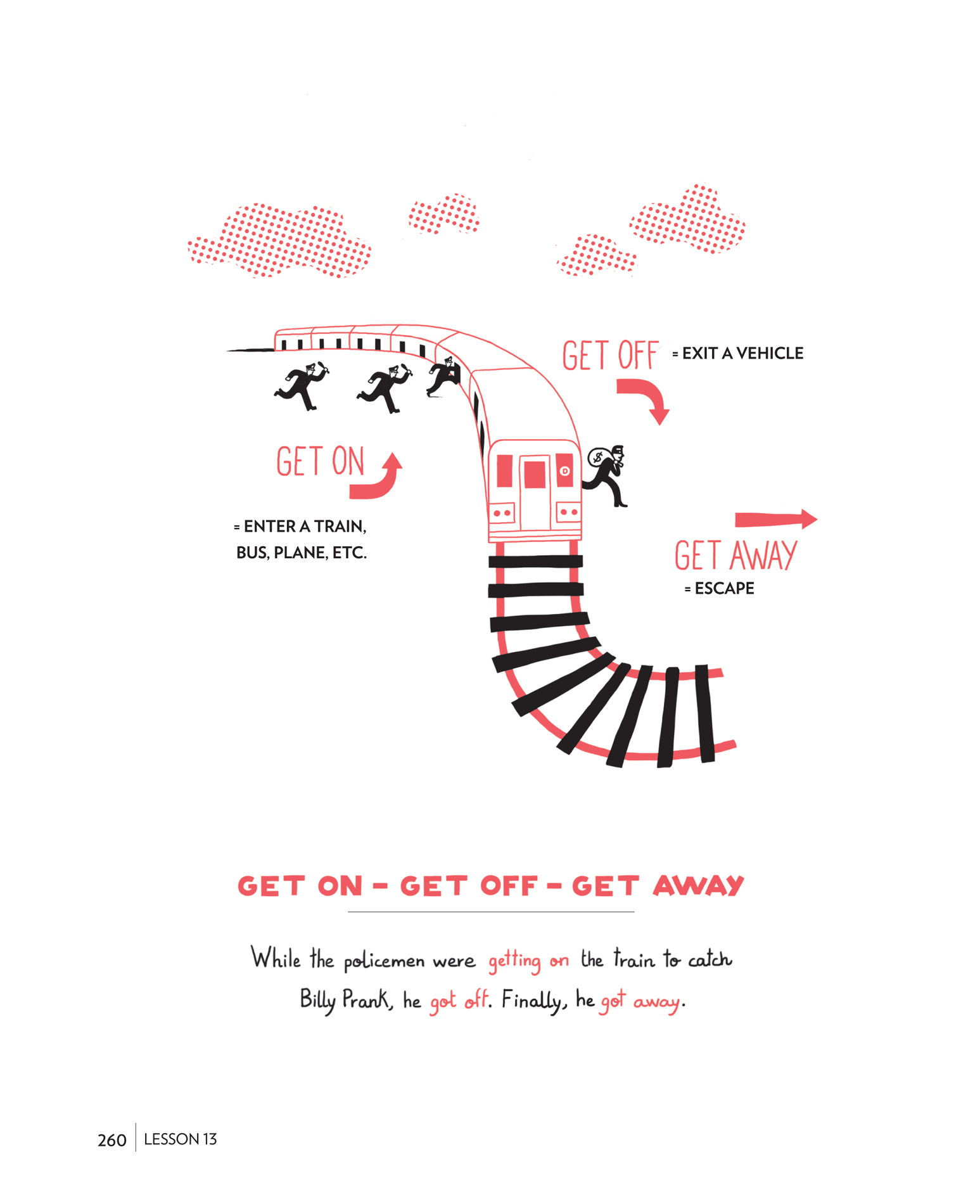
Figure 13.13: get on/get off/get away — 上車/下車/逃脫(地鐵月台上的小偷 Billy Prank)
書中接著列出「other meanings」(其他意義),但右側全被 PDF 裁切;可讀到的部分如下:
get on 的其他意義:
- = enter a tra[in, bus,] plane, etc. = 上交通工具
- = continue d[oing] something = 繼續做某事
- = age = 變老
get off 的其他意義:
- = exit a vehic[le] = 下交通工具
- = escape pun[ishment] = 逃過懲罰
- = finish, leav[e work] = 下班
- = start a jou[rney] = 出發
- = stop talkin[g on the] phone = 掛電話
- = have an or[gasm] = 達到性高潮
插畫:男子鬆癱地坐在紅色扶手椅上、紅本壓在身上,註解:「When Patrick added the last stamp to his 33rd album of stamps, he got off.」── 用集郵的「完成」對照「got off」的雙關。
get away 的其他意義:
- = escape = 逃脫
- = go on holi[day, take] a short brea[k] = 去度假、放短假
- = move, leav[e] a place = 離開某地
get out of#
- get out of — 逃避已答應的活動(avoid an activity you committed to)
He always tries to get out of doing the cha cha cha. But her charm prevents it.(他每次都想逃掉跳恰恰,但她的魅力讓他逃不掉。)── 書中插畫:一位高挑紅衣女子摟著一位矮胖禿頭男子要跳舞,男子被夾在她豐滿的胸部之間動彈不得。
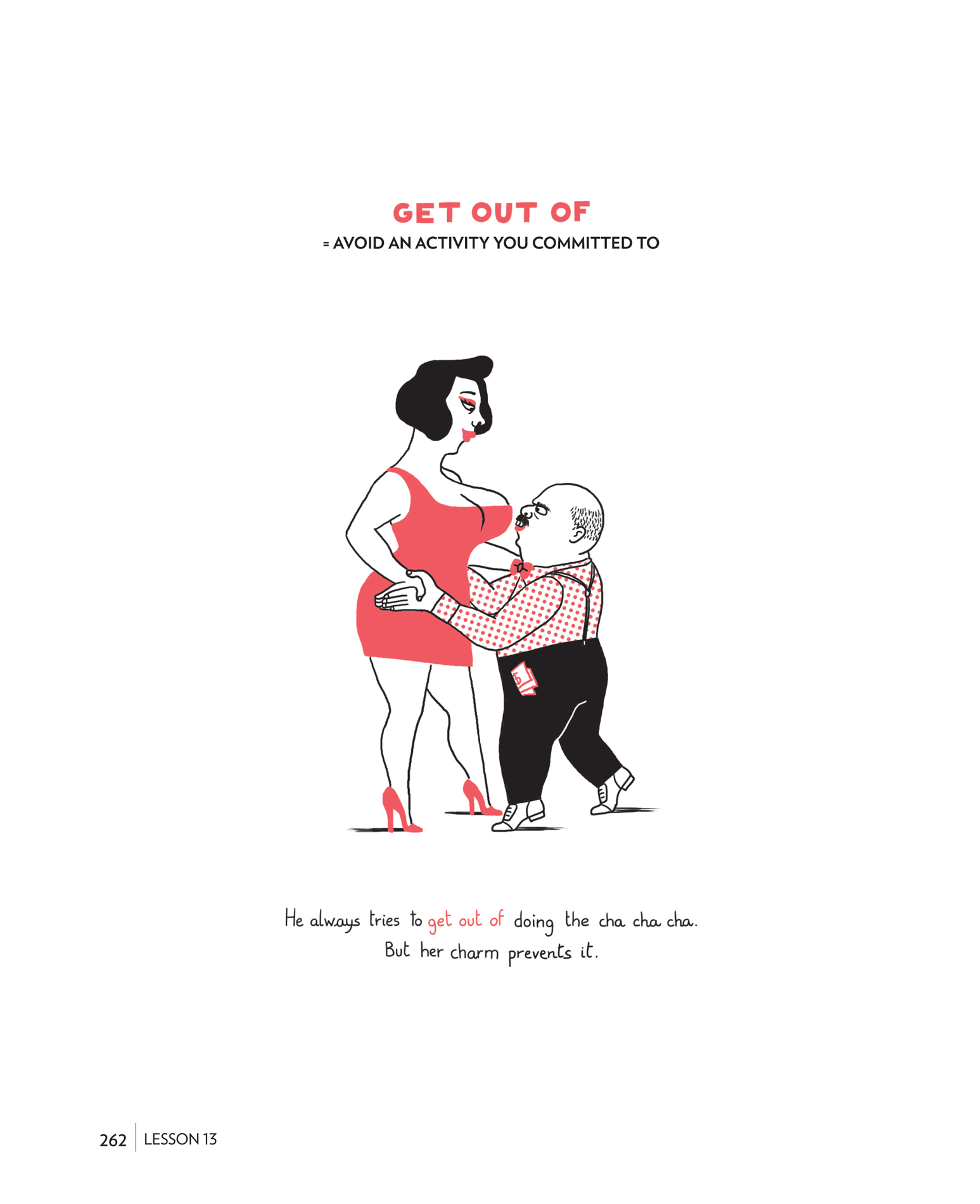
Figure 13.14: get out of — 逃避已答應的活動(矮胖男想逃掉跳恰恰但被困住)
其他 GET 片語(書中綜合表)#
- get something across — 讓別人理解某想法(get people to understand an idea)
- get ahead — 取得進展(make progress)
- get by — 勉強過活、生存(survive)
- get out of something — 離開(車、計程車、地點等)(leave a car, a taxi, a place)
- get something out of something — 從中得到好處(benefit from)
- get through (with) — 完成(finish)
- get together (with someone) — 聚會、見面(meet up)
- get up — 起床(get out of bed)