本課從簡單現在式(Simple Present)出發,延伸到第三人稱單數動詞變化、名詞複數(規則與不規則)、可數與不可數名詞、how much / how many 的提問、some / any 的搭配、there is / there are 的存在句,最後以指示詞、所有格代名詞與形容詞,以及 ’s + 名詞 的所有格用法收尾。Luci Gutiérrez 透過詼諧的人物速寫,把英語名詞與動詞最基礎的形態變化講得直觀又好記。
簡單現在式(Simple Present)#
結構:SUBJECT + VERB(主詞+動詞)。例:You need…
簡單現在式用來陳述現在的狀態與事實:
- 永遠成立的事實:The night is dark.
- 此刻為真的事實:I feel happy.
- 習慣性動作:I get up late.
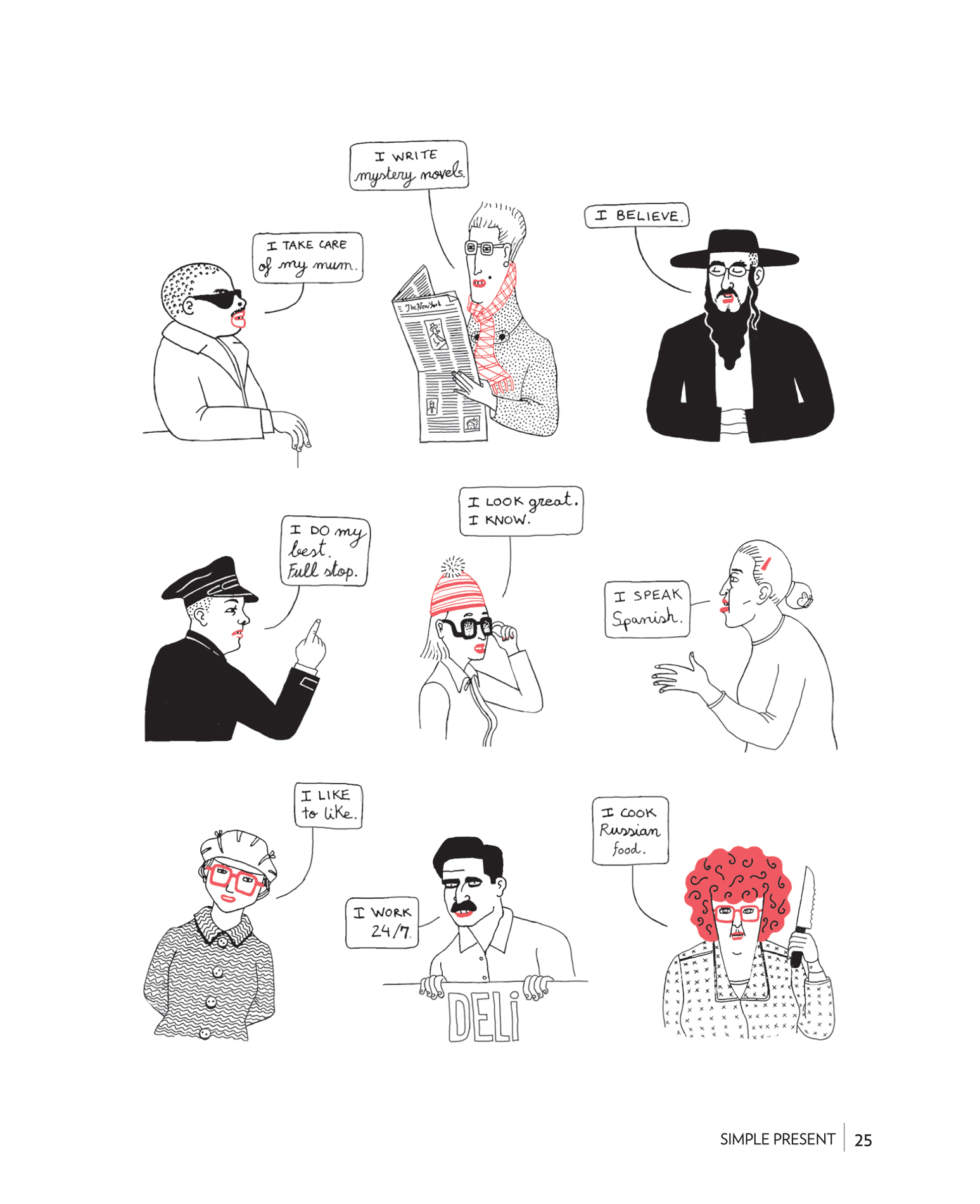
Figure 2.1: 九宮格人物自介示範簡單現在式
簡單現在式也用來談未來既定的時程(時刻表、會議、節目開始/結束時間等)。
- The train arrives at 1…
- The meeting begins after…
- The show ends in five m…
否定(Negative)#
結構:SUBJECT + DON’T | DOESN’T + INFINITIVE without ’to’
I don’t like…
縮寫對應關係:DO + NOT = DON’T;DOES + NOT = DOESN’T。
例如插畫中遛三隻狗的女子說:I don’t like people.
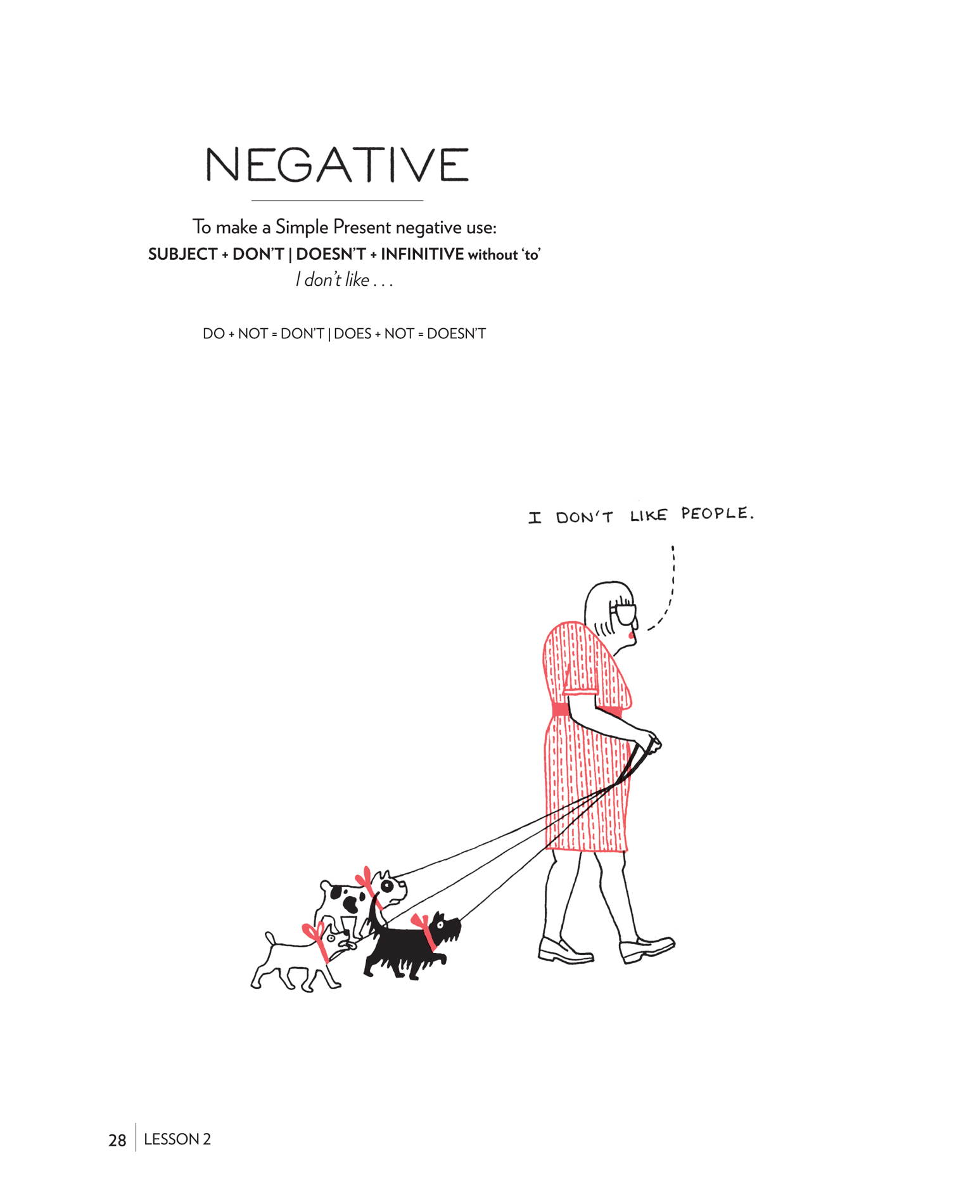
Figure 2.2: 遛三隻狗的女子說 I don't like people
疑問(Questions)#
結構:DO | DOES + SUBJECT + INFINITIVE
Do you read?
書中以一段酒吧搭訕對白示範連續提問:
- Do you work? — No, I don’t.
- Do you like music? — No, I don’t.
- Do you go to movies? — No, I don’t.
- Do you read? — No, I don’t.
- Do you like travelling? — No, I don’t.
- OK, do you want to go to bed with me? — Yes, I do!
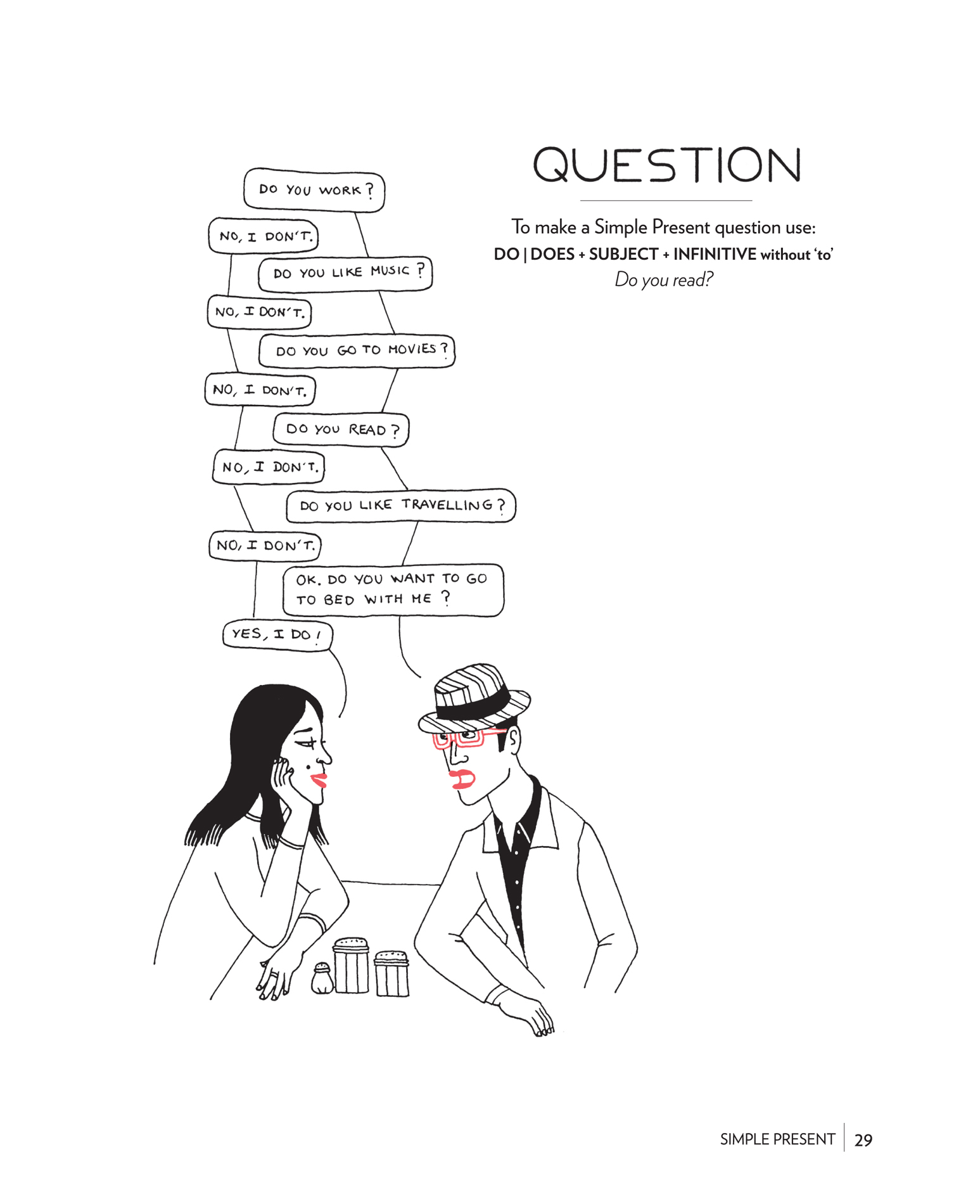
Figure 2.3: 酒吧搭訕的連續 Do you... 提問
第三人稱單數(Third-Person Singular)#
在 SIMPLE PRESENT 中,第三人稱單數(he, she, it)的動詞要加 S。
完整人稱對照:
- I look great.
- You look great.
- He looks great.
- She looks great.
- It looks great.
- We look great.
- You look great.
- They look great.
拼字規則#
- 動詞字尾 O → 加 ES:do – does
- 動詞字尾 S → 加 ES:kiss – kisses
- 動詞字尾 X → 加 ES:mix – mixes
- 動詞字尾 CH → 加 ES:catch – catches
- 動詞字尾 SH → 加 ES:push – pushes
- 動詞字尾子音 + Y → 把 Y 改成 IES:cry – cri(es)
對應的否定與疑問#
用 doesn’t 構成否定,用 does 構成疑問。
| Negative | Question |
|---|---|
| I don’t snore. | Do I stink? |
| You don’t snore. | Do you stink? |
| He doesn’t snore. | Does he stink? |
| She doesn’t snore. | Does she stink? |
| It doesn’t snore. | Does it stink? |
| We don’t snore. | Do we stink? |
| You don’t snore. | Do you stink? |
| They don’t snore. | Do they stink? |
複數(Plurals)#
當可數名詞表示兩個或更多時,使用名詞的複數形。
一般規則:直接在名詞後加 S。
- computer – computers
- phantom – phantoms
- umbrella – umbrellas
- house – houses
- book – books
- hat – hats
常見例外#
部分名詞拼字稍有不同,以下為最常見的例外。
- 字尾 O, S, X, ZZ, CH, SH → 加 ES
- potato – potatoes
- kiss – kisses
- box – boxes
- buzz – buzzes
- witch – witches
- dish – dishes
- 字尾 Z → 加 ZES:quiz – quizzes
- 部分字尾 O 的名詞只加 S:photo – photos、piano – pianos
- 子音 + Y → 把 Y 改成 IES:city – cities
- 字尾 F 或 FE → 多半改為 VES:wolf – wolves
- 字尾 IS → 多半改為 ES:crisis – crises
不規則複數(Irregular Plurals)#
**不規則名詞(IRREGULAR NOUNS)**不遵守上述規則。以下為最常見的例子。
- woman → women
- man → men
- child → children
- foot → feet
- tooth → teeth
- sheep → sheep(單複數同形)
- person → people
- mouse → mice
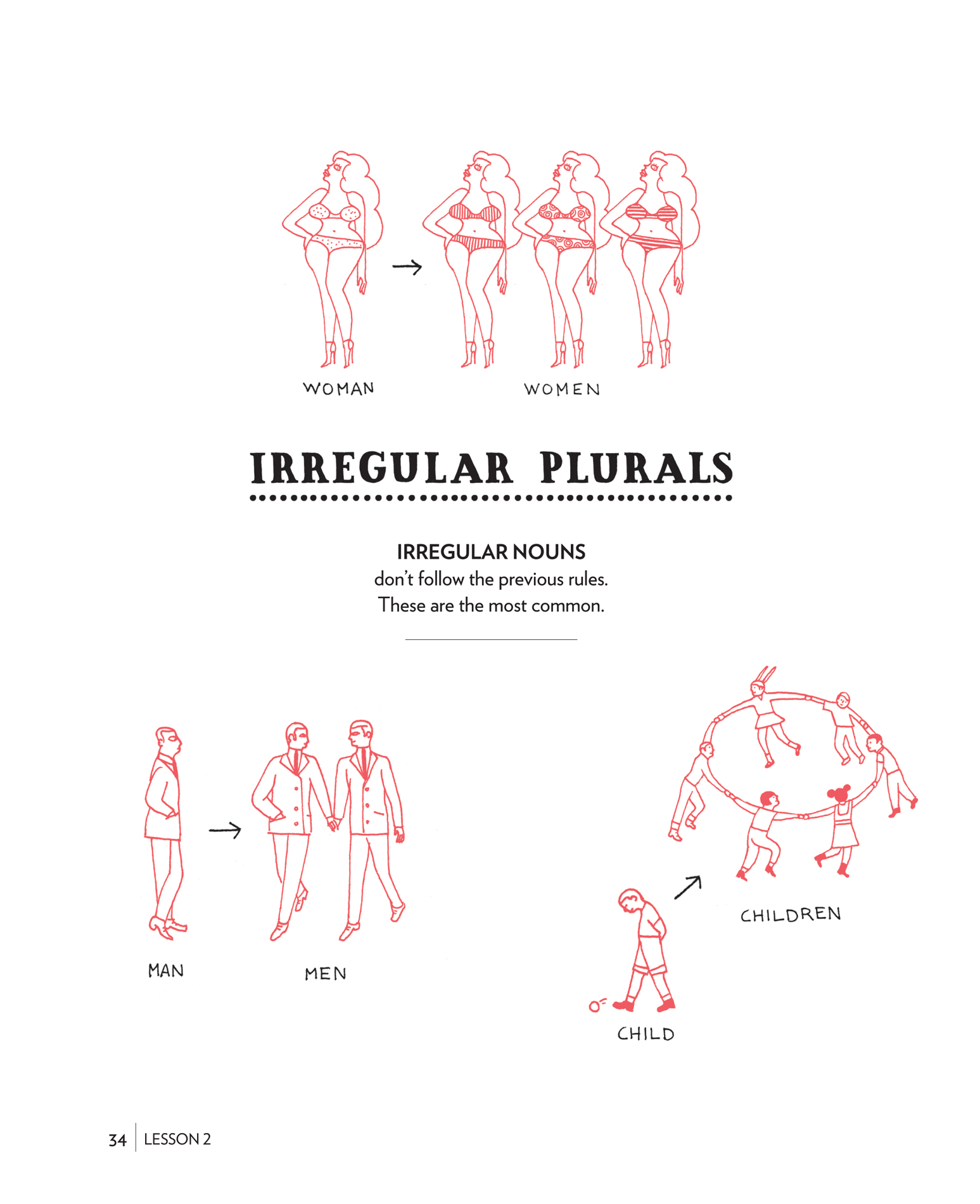
Figure 2.4: woman/women、man/men、child/children 對照
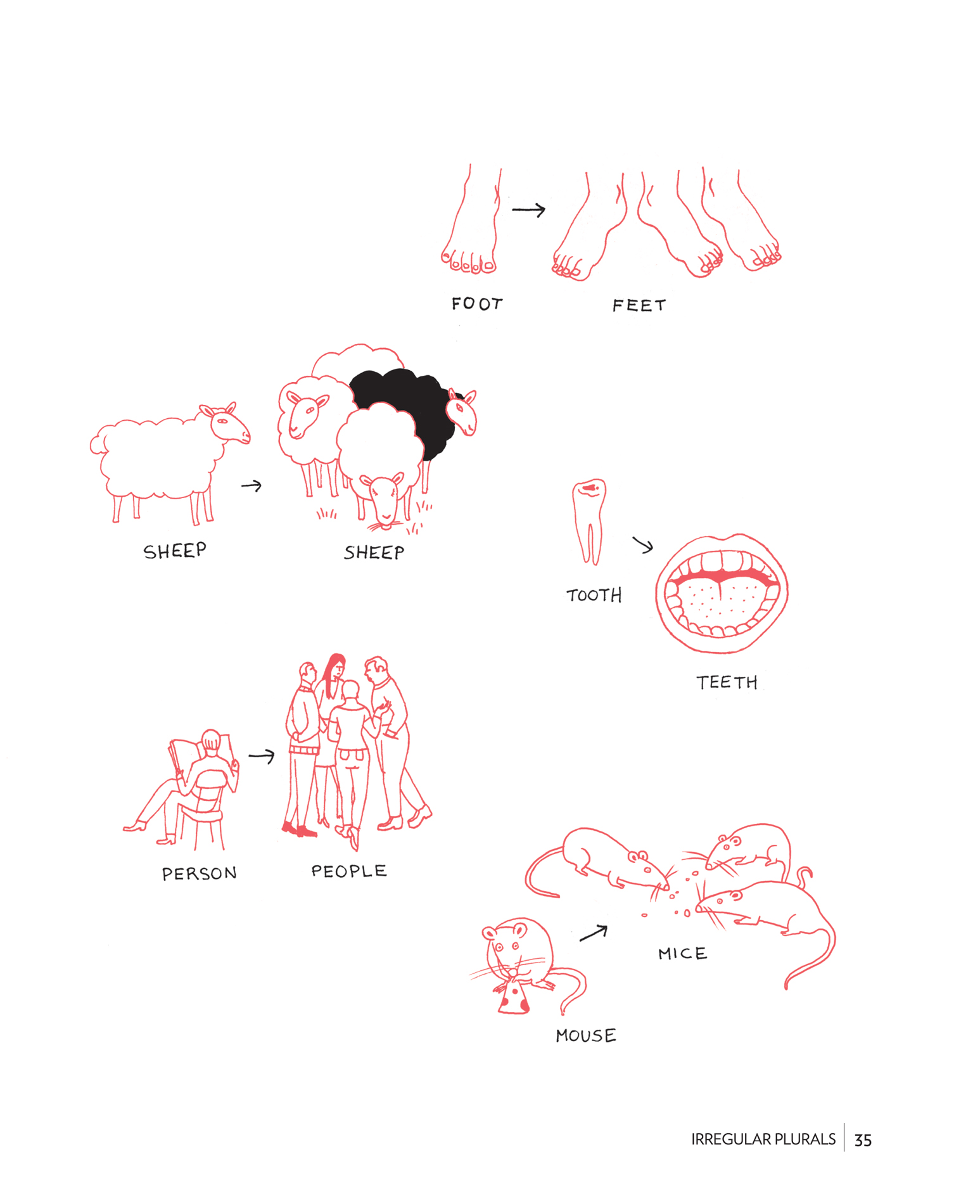
Figure 2.5: foot/feet、sheep、tooth/teeth、person/people、mouse/mice 集合
可數與不可數名詞(Countable and Uncountable Nouns)#
COUNTABLE NOUN(可數名詞):前面可以加數字,且有複數形。
例:3 years, 2 suitcases, 1 rabbit
UNCOUNTABLE NOUN(不可數名詞):前面不能加數字,也沒有複數形。
例:music, luggage, informa(tion)…
冠詞用法(Articles:A / AN / THE)#
可數名詞:
- 第一次提到該名詞時,搭配 A | AN
- There is a naked man in the…
- A:名詞以子音開頭時使用
- AN:名詞以母音開頭時使用
- 之後再提到,或聽者已知所指的對象時,使用 THE
- The naked man is danc(ing)…
- 複數可數名詞泛稱時不加冠詞:I don’t like children.
不可數名詞:
- 表示「全部」或「任何」時不加冠詞:I don’t need help.
- 指特定的某個例子時加 THE:Thanks for the help you didn’t gi(ve)…
How Much 與 How Many#
- 用 ‘how much?’ 詢問不可數的事物。
- 用 ‘how many?’ 詢問可數的事物。
書中以兩格漫畫對比:
- 不可數(金錢):How much is it?(不可說 2 moneys / 3 moneys)
- 可數(柳橙):How many would you like? — Two, please.(1 orange / 2 oranges / 3 oranges)
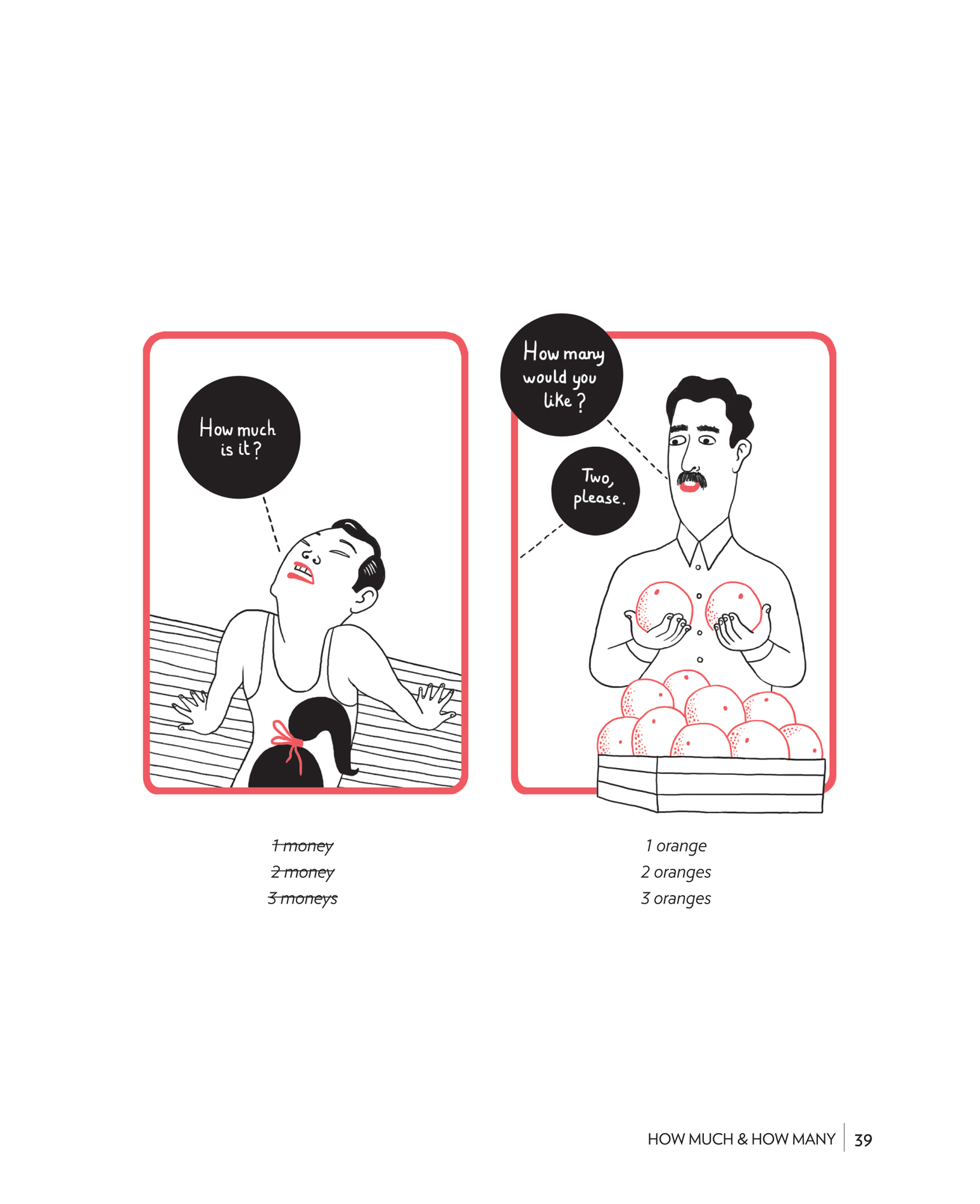
Figure 2.6: How much(金錢)vs. How many(柳橙)
Some 與 Any#
SOME 和 ANY 用於說話者沒有指定數量或確切數目時。
SOME 的用法#
SOME 用於肯定句(POSITIVE SENTENCES):
- 搭配不可數名詞:You have some butter on your nose.
- 搭配複數可數名詞:You have some bogeys in your nose.
ANY 的用法#
ANY 用於否定句(NEGATIVE SENTENCES)和疑問句(QUESTIONS):
- 搭配不可數名詞:I don’t want any risk in my life.
- 搭配複數可數名詞:Do you have any friends?
兩個常見例外#
- 在邀請或請求的疑問句中使用 SOME:Would you like some more tea, darling?
- 在肯定句中表示「沒有差別/任何一個都行」時使用 ANY:You can call me at any time.
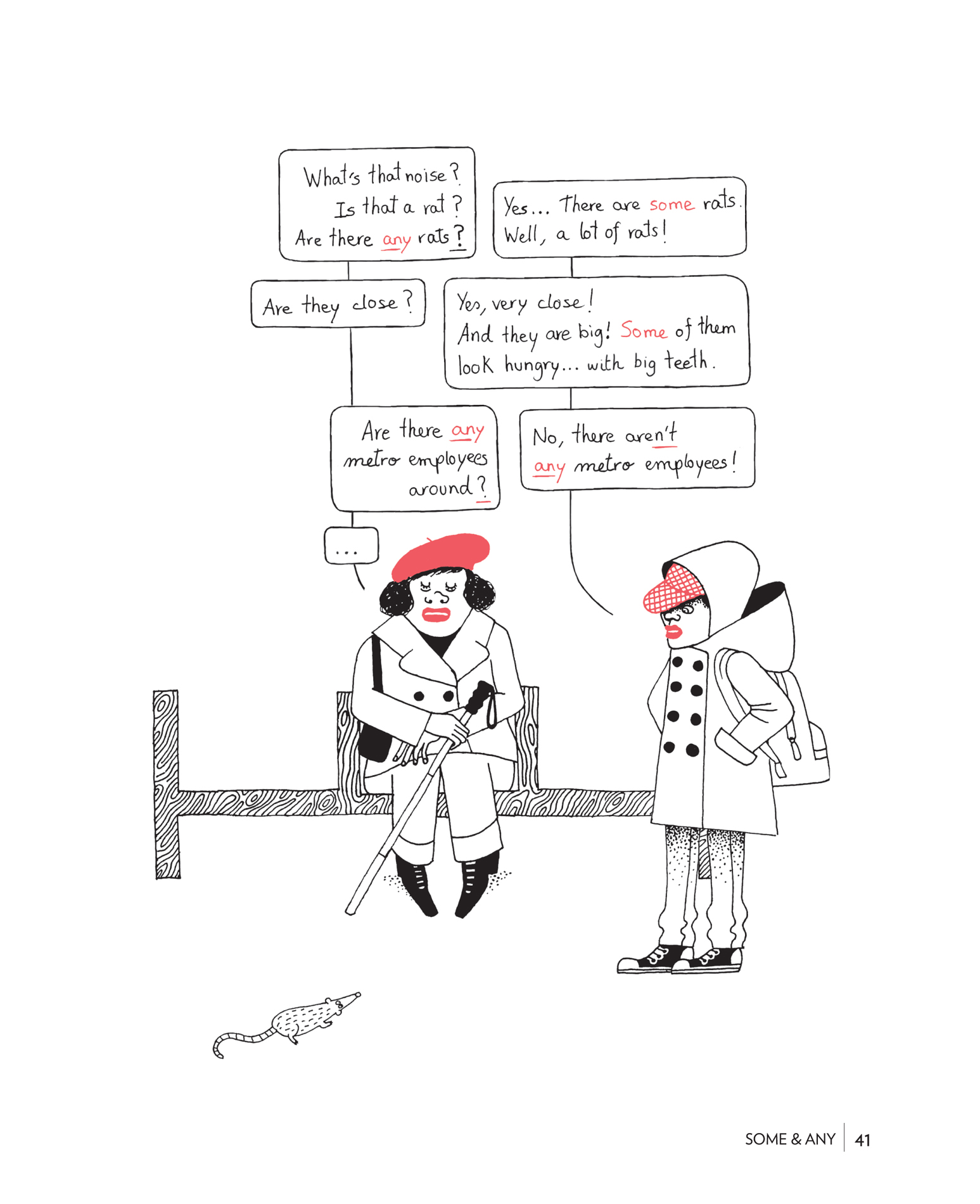
Figure 2.7: 地鐵月台對話以 some/any 描述老鼠與站務員
There Is 與 There Are#
‘There is’ 與 ’there are’ 用來表達「某物存在或不存在」。
- THERE IS:搭配單數主詞
- THERE ARE:搭配複數主詞
範例:
- There is an ice rink.
- There are a lot of buildings.
- There are no trees.
- There is no King Kong.
- Are there any school buses? — Yes, there are.
- Are there people skating? — Yes, there is a guy skating on an ice rink and there is a girl skating on a building.
- Is there a businessman in a hurry? — No, there isn’t.
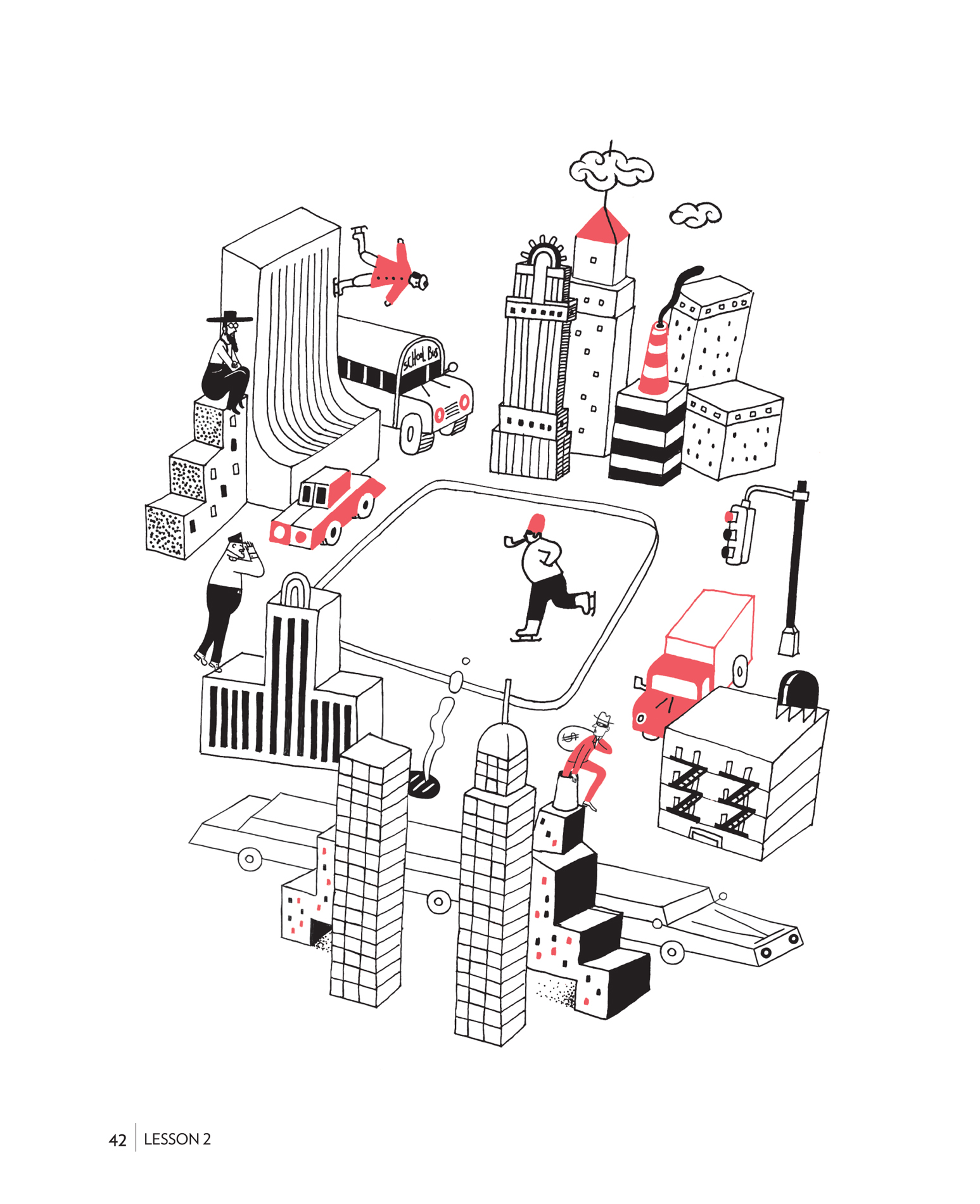
Figure 2.8: 城市場景示範 there is / there are 各種存在句
指示詞:this, these, that, those(Demonstratives)#
指示詞用來表示說話者與對象之間的距離,這個距離可以是心理上的,也可以是物理上的。
- THIS:近距離的單數名詞
- THESE:近距離的複數名詞
- THAT:遠距離的單數名詞
- THOSE:遠距離的複數名詞
可作代名詞或形容詞#
| PRONOUNS(代名詞) | ADJECTIVES(形容詞) |
|---|---|
| This is the dead tree. | This tree is dead. |
| I don’t like that. | I came in that car. |
| These are mine. | I left these bin bags. |
| Those are my neighbours. | Those guys are unpleasant. |
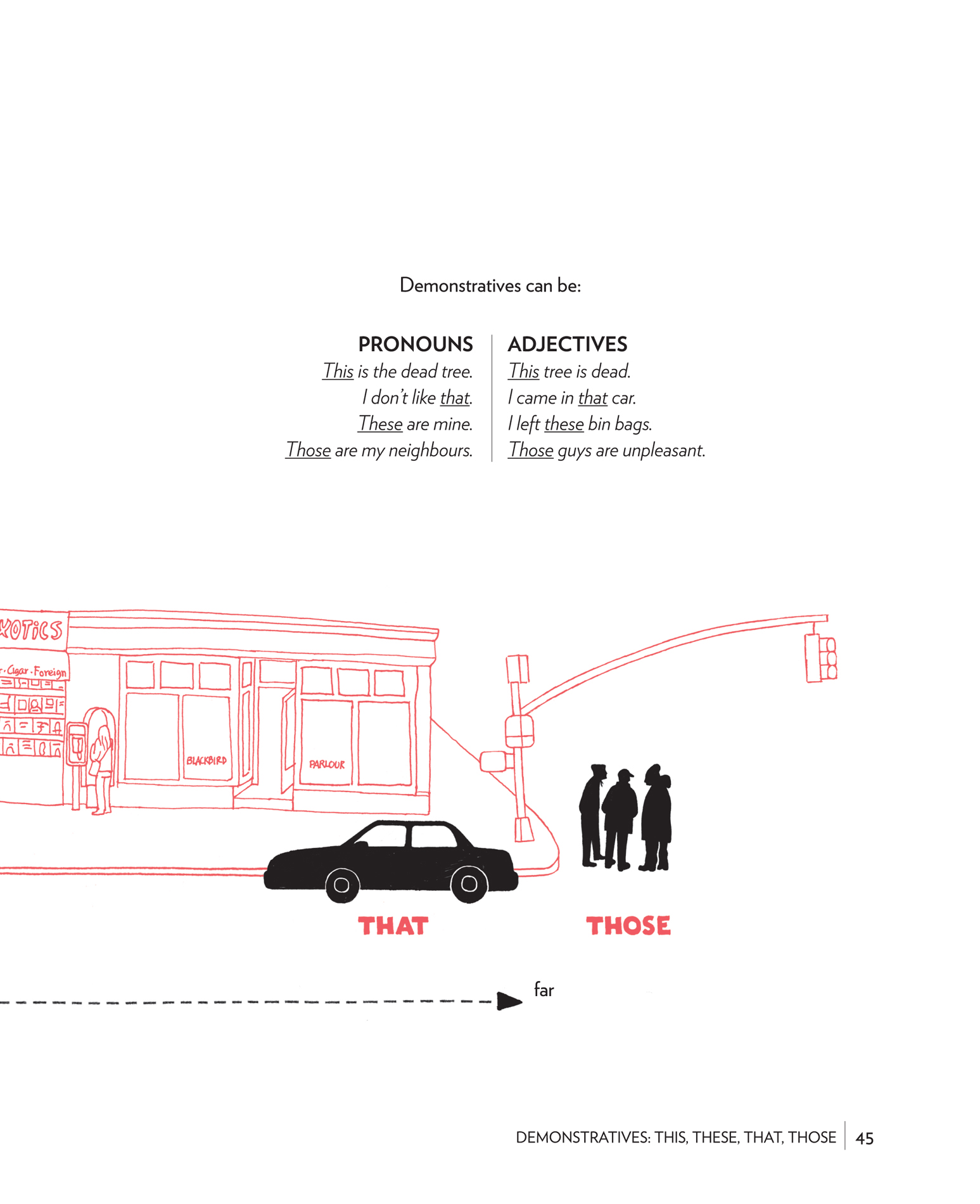
Figure 2.9: 街景以遠近距離區分 this/these 與 that/those
所有格:代名詞與形容詞(Possessives: Pronouns and Adjectives)#
| SUBJECT PRONOUN | POSSESSIVE PRONOUN | POSSESSIVE ADJECTIVE |
|---|---|---|
| I | MINE | MY |
| You | YOURS | YOUR |
| He | HIS | HIS |
| She | HERS | HER |
| It | ITS | ITS |
| We | OURS | OUR |
| You | YOURS | YOUR |
| They | THEIRS | THEIR |
POSSESSIVE PRONOUNS(所有格代名詞):用來取代名詞。
Peggy’s dress is pink. Mine is black.
POSSESSIVE ADJECTIVES(所有格形容詞):用來修飾名詞,和其他形容詞一樣放在名詞前面。
My dress is nicer than her dress.
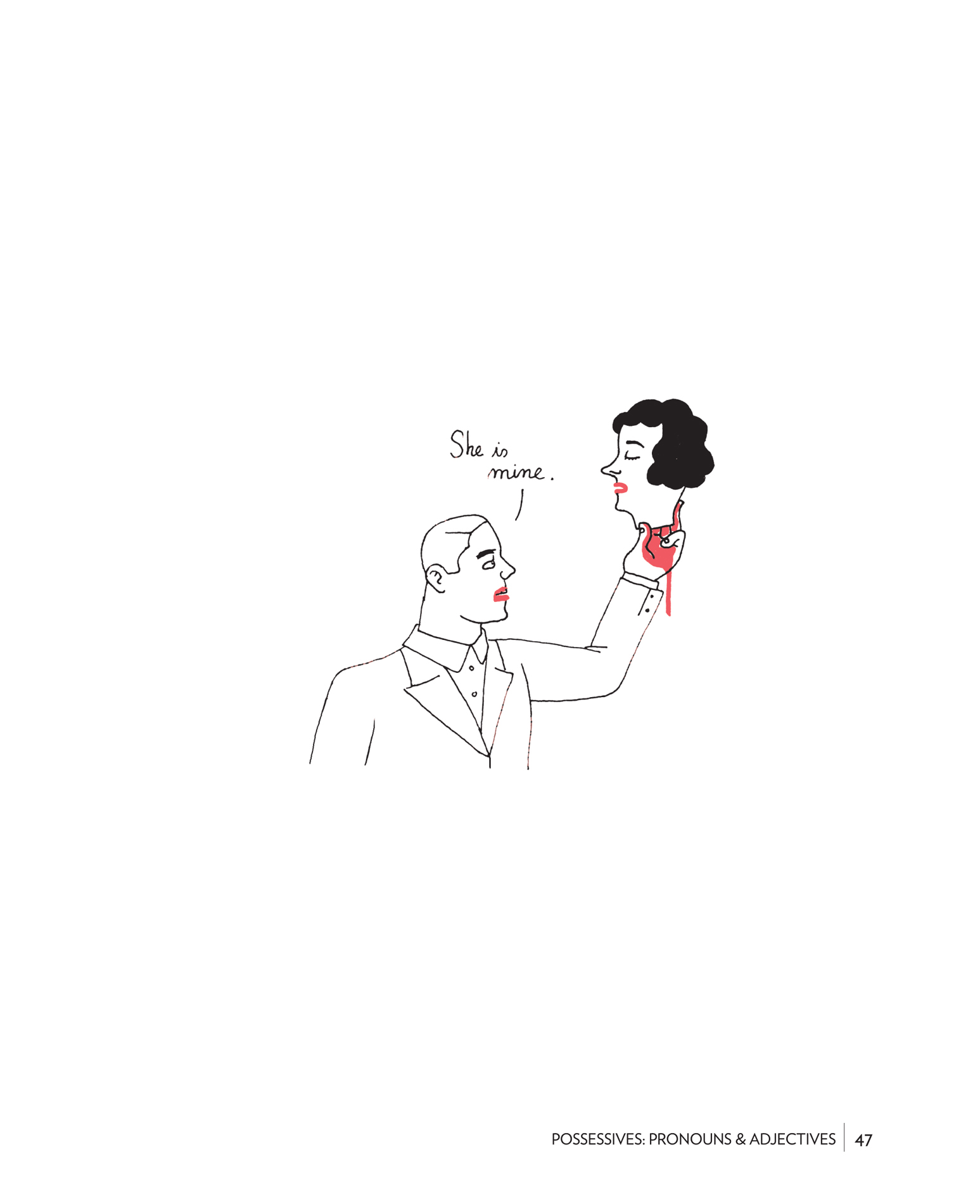
Figure 2.10: 男子捏著女子下巴宣告 She is mine
‘S + 名詞(‘S + Nouns)#
‘S + 名詞用來表示「所有」關係。
- ‘S 加在單數名詞後表示所有:
- I don’t like my sister’s boyfriend.
- ‘S 也加在不規則複數名詞後:
- I don’t care about men’s shoes.
- S’(只加撇號)用在規則複數名詞後:
- I love girls’ shoes.
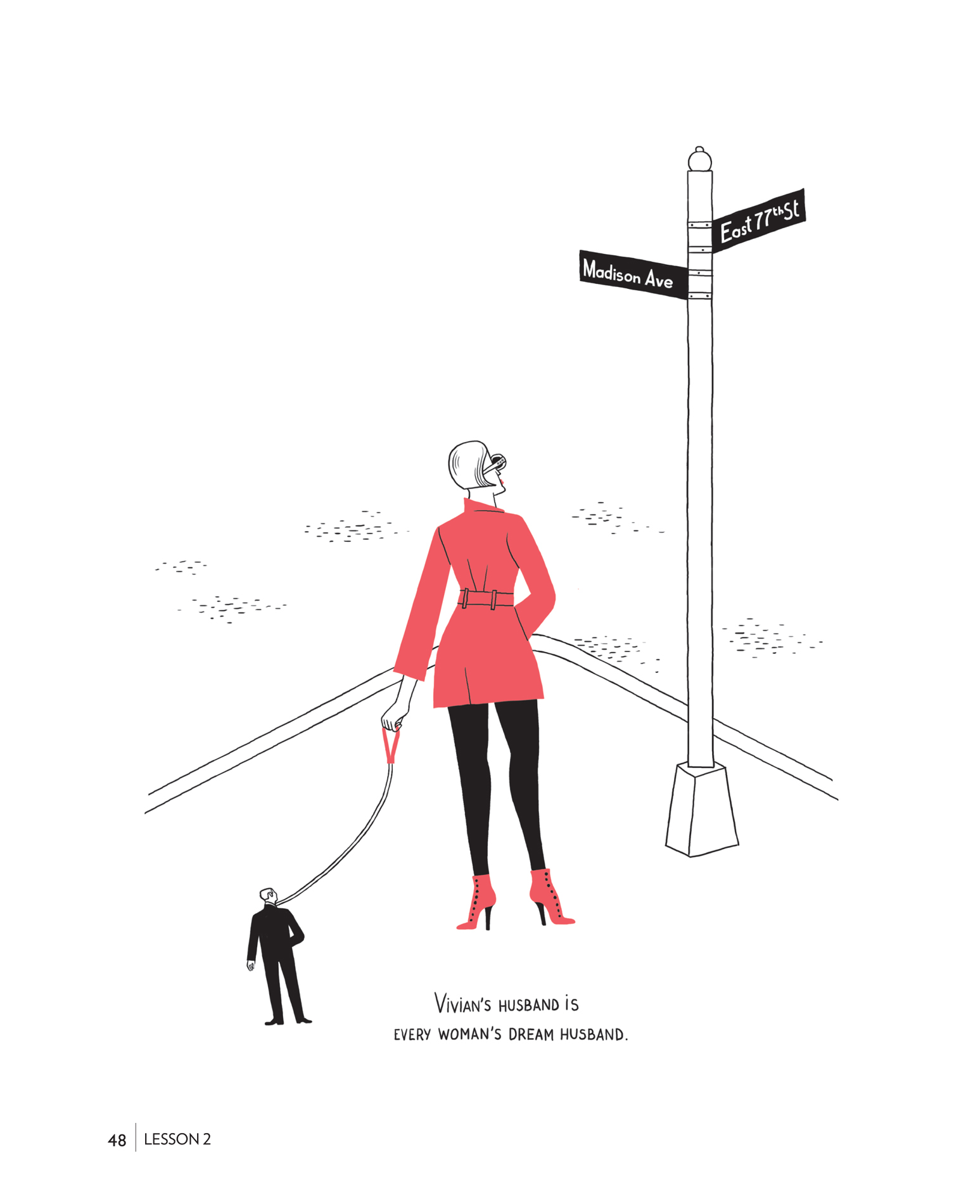
Figure 2.11: Vivian's husband is every woman's dream husband
與名字搭配#
與**名字(NAMES)**搭配時直接加 ‘s:
- Kate’s dog barks every night.
- Do you have Susan’s phone number?
當名字本身以 S 結尾時,把它當作一般單數名詞處理,仍然加 ’s:
Don’t eat Charles’s breakfast.